Maintaining your home’s plumbing can feel like a never-ending task. But mastering a few expert-recommended drain cleaning techniques transforms it into a breeze. From simple DIY fixes to advanced methods, these strategies keep your pipes flowing smoothly. Discover how to tackle clogs efficiently and prevent future issues. Ready to dive in? Let’s explore the best ways to maintain a healthy drain system.
Sommaire
ToggleUnderstanding the basics of drain cleaning
Understanding the basics of drain cleaning ensures efficient plumbing. Regular maintenance helps avoid costly repairs. Begin with these simple steps:
- Inspect drains monthly for slow drainage.
- Use a plunger for minor clogs.
- Apply baking soda and vinegar weekly to dissolve buildup.
These steps preserve your drains and prevent future issues.
Why regular drain maintenance matters
Regular drain maintenance prevents costly plumbing issues and extends the lifespan of your pipes. It reduces unpleasant odors and decreases the risk of serious clogs. By addressing potential problems early, you ensure a more efficient and hassle-free home environment.
Common signs of a clogged drain
Clogged drains can disrupt daily life. Recognizing early signs helps prevent bigger problems. Look for these indicators:
- Water draining slowly in sinks or tubs
- Unpleasant odors from drain openings
- Gurgling sounds in plumbing fixtures
- Water backing up in multiple drains
Ignoring these indications of drain problems could lead to more severe issues. Act quickly to maintain smooth plumbing operations.
Expert-recommended drain cleaning techniques
- Use a plunger to dislodge minor blockages.
- Mix baking soda with vinegar for natural cleaning.
- Employ a drain snake for stubborn clogs.
- Try a wet/dry vacuum for deep cleaning.
- Utilize enzyme cleaners for organic buildup.
- Apply hot water for regular maintenance.
Experts suggest these drain cleaning techniques for effective results. Regular maintenance ensures a smoothly running plumbing system.
Using a plunger effectively
A plunger remains a key tool in drain cleaning. To use it effectively, follow these steps:
- Ensure a tight seal around the drain.
- Push and pull with steady force.
- Repeat several times.
- Check for water drainage.
- Repeat if necessary.
The power of baking soda and vinegar
- Pour déboucher, versez une tasse de baking soda dans le drain.
- Ajoutez lentement une tasse de vinaigre blanc.
- Couvrez le drain avec un chiffon humide.
- Attendez 15 minutes pour que la réaction se produise.
- Rincez avec de l’eau chaude pour nettoyer.
Cette méthode simple et naturelle utilise une réaction chimique pour éliminer les débris. Elle protège vos tuyaux tout en évitant l’utilisation de produits chimiques agressifs.
How to use a drain snake
A drain snake can effectively remove blockages. Follow these steps:
- Insert the snake into the drain slowly.
- Rotate the handle to snag debris.
- Gently pull back the snake.
- Repeat if necessary.
- Rinse with hot water.
Advanced methods used by professionals
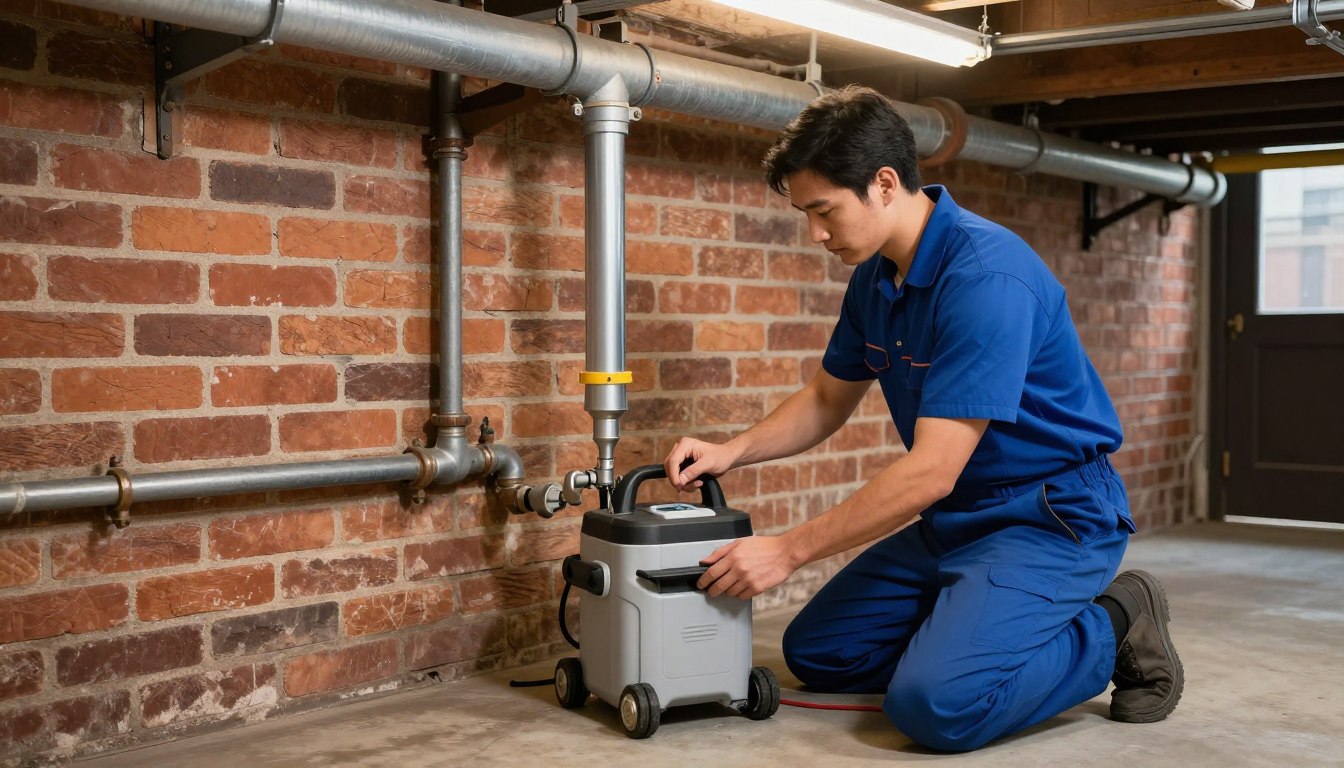
Professionals use hydro jetting to clear stubborn blockages with high-pressure water streams. Chemical cleaners dissolve tough clogs but require caution. Both methods restore proper flow and prevent future issues. Consult experts for severe cases to ensure safe and effective results.
Hydro jetting explained
Hydro jetting uses high-pressure water to clear stubborn clogs. This technique blasts away debris, roots, and buildup. Ideal for severe blockages, it restores pipe flow efficiently. Professionals often rely on hydro jetting for its thoroughness and effectiveness in maintaining clean drains.
The role of chemical cleaners
Chemical cleaners offer a quick solution for stubborn clogs. They dissolve hair, grease, and other debris. Always follow instructions to avoid pipe damage. Powerful chemicals can harm older pipes. Use sparingly and in well-ventilated areas. Consult a plumber if unsure about their suitability for your plumbing system.
Preventive measures for long-term drain health
Maintenir vos drains en bonne santé nécessite des mesures préventives simples mais efficaces. Voici quelques conseils:
- Utilisez des drain covers pour bloquer les débris.
- Évitez de verser de l’huile dans l’évier.
- Nettoyez régulièrement les siphons.
- Versez de l’eau chaude chaque semaine.
- Inspectez les tuyaux pour détecter les fuites.
- Envisagez un nettoyage professionnel annuel.
Ces étapes aident à éviter les obstructions domestiques et à prolonger la durée de vie de votre plomberie.
Installing drain screens
Installing drain screens provides a simple yet effective way to prevent clogs. These handy tools catch debris before it enters pipes. Follow these steps for proper installation:
- Select a screen that fits your drain size.
- Remove any existing debris from the drain.
- Place the screen over the drain opening.
- Ensure it fits snugly without gaps.
- Clean the screen regularly to maintain effectiveness.
- Replace if it shows signs of wear.
Regular hot water flushes
Flush drains with hot water weekly. Pour boiling water down each drain to dissolve grease and debris. This simple step reduces clogs and keeps pipes clear. Regular maintenance ensures efficient drainage and prevents costly plumbing issues. Keep your home’s plumbing healthy with this easy habit.
When to call a professional plumber
Persistent clogs and fast drain cleaning in New York often require a professional plumber’s expertise. If water backs up or drains slowly, it’s time to call. Attempting DIY solutions on severe blockages can worsen the issue. Professionals ensure effective and long-lasting results.
Identifying severe blockages
Severe blockages in drains often require professional attention. Look for these signs to identify them:
- Water backing up in multiple fixtures
- Persistent gurgling sounds
- Strong, unpleasant odors
- Slow drainage despite cleaning
- Frequent clogs in the same drain
Cost versus DIY solutions
Balancing the cost of hiring a professional versus DIY drain cleaning can be tricky. DIY methods often appear budget-friendly, but they can lack the efficiency of expert tools. Consider these factors when deciding:
- Initial Costs: DIY supplies like plungers and baking soda are cheap.
- Effectiveness: Professionals use advanced tools like hydro jetting.
- Time Investment: DIY solutions require more time and effort.
- Long-term Savings: Expert services prevent future problems, saving money.
Answers to frequently asked questions
What is the best technique for clearing minor clogs?
Use a plunger. It creates suction, clearing small blockages effectively.
How often should I perform a baking soda and vinegar flush?
Every month. It keeps drains fresh and prevents buildup.
Can I use a drain snake on all types of pipes?
Yes, but be cautious. Avoid force to prevent pipe damage.
When is hydro jetting necessary?
For severe clogs. It uses high-pressure water to clear stubborn blockages.