Nobody wants a surprise sewer emergency. Regular sewer maintenance keeps your plumbing running smoothly and avoids costly repairs. Discover how a bit of routine care can extend the life of your sewer system and save you money. Ready to dive in and protect your home? Let’s explore essential tips and best practices for maintaining your sewer lines.
Sommaire
ToggleWhy regular sewer line maintenance matters
Regular sewer maintenance helps avoid expensive repairs and extends the sewer system’s lifespan. Routine checks identify potential issues like tree roots or grease buildup early. This proactive approach saves money and stress. Investing in upkeep ensures a healthy plumbing system and peace of mind.
Preventing costly repairs
Regular sewer maintenance prevents expensive repairs. Addressing small issues early saves money and avoids larger problems. Here’s how to keep your system in top shape:
- Schedule annual inspections to catch issues early.
- Clear drains regularly to prevent blockages.
- Monitor water pressure for unexpected changes.
- Use enzyme-based cleaners to maintain flow.
Extending the life of your sewer system
Regular sewer maintenance plays a crucial role in extending the life of your sewer system. By taking preventive actions, you avoid unexpected breakdowns and keep everything running smoothly. Consider these steps:
- Schedule annual inspections to spot early issues.
- Use enzyme cleaners to break down waste naturally.
- Ensure proper disposal of non-flushable items.
Common sewer line problems and their causes
- Tree roots seeking moisture invade pipes.
- Grease hardens, causing blockages.
- Flushing non-flushables clogs lines.
- Pipe corrosion weakens sewer integrity.
Identifying and understanding these common problems help in preventing costly issues. Regular maintenance and mindful usage protect your sewer system from these frequent challenges.
Tree root intrusion
Tree root intrusion poses a serious threat to sewer lines, causing blockages and damage. Roots seek moisture, infiltrating pipes through small cracks. To prevent this, consider these solutions:
- Install root barriers
- Regularly inspect lines
- Use copper sulfate
- Employ hydro jetting
- Trim nearby trees
- Consult professionals
Grease buildup and blockages
Grease buildup poses a significant threat to your sewer line, leading to severe blockages. These blockages occur when fats and oils cool and solidify in the pipes. Regular maintenance helps in avoiding clogs in home drains by preventing grease accumulation. Using enzyme-based cleaners can break down grease safely and effectively, ensuring smooth flow.
Best practices for sewer line maintenance
Maintenir vos canalisations d’égout en bon état nécessite quelques pratiques essentielles. Voici quatre étapes clés pour assurer une maintenance efficace :
- Planifiez des inspections régulières pour détecter les problèmes tôt.
- Utilisez des méthodes de nettoyage sûres, comme le jet d’eau à haute pression.
- Évitez de jeter des graisses ou des huiles dans les éviers.
- Installez des filtres pour empêcher les débris de pénétrer dans les canalisations.
Routine inspections
Regular sewer line inspections help catch issues before they escalate. Identifying blockages or cracks early prevents costly repairs. Schedule inspections every one to two years, depending on your area and system age. Homeowners in older neighborhoods should consider more frequent checks. In some cities, like Philadelphia’s recommended cleaning schedule, local guidelines may influence your maintenance plan.
Safe cleaning methods
Using safe methods for sewer cleaning ensures the longevity of your system. Opt for enzyme-based cleaners that break down debris without harming pipes. Avoid chemical cleaners; they may cause damage. A plumbing snake is ideal for removing stubborn clogs. Regular maintenance prevents blockages. For efficient pipe cleaning techniques, consult a professional if unsure. Implement these methods to maintain smooth operation and avoid costly repairs.
DIY sewer maintenance tips
Keep your sewer system in top shape with these practical tips. Regular DIY maintenance can prevent major issues. Gather these essential tools for the job:
- Plumber’s snake for clearing blockages
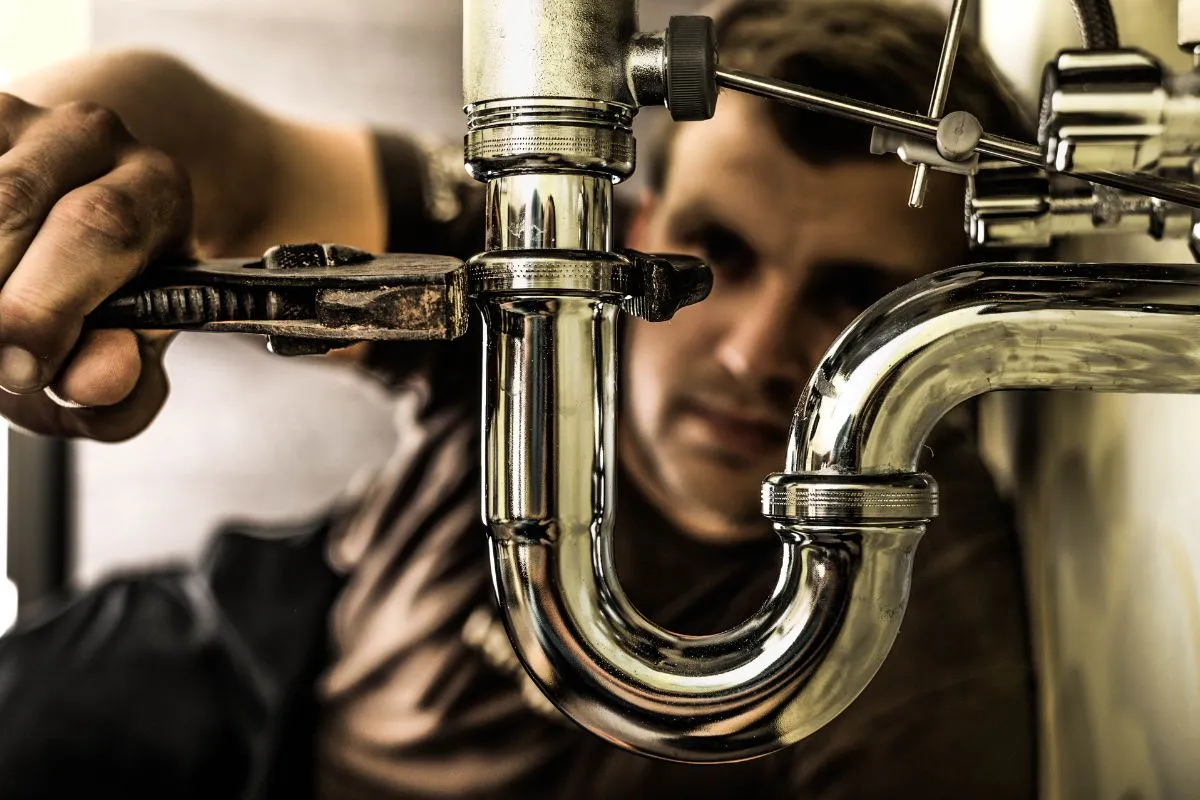
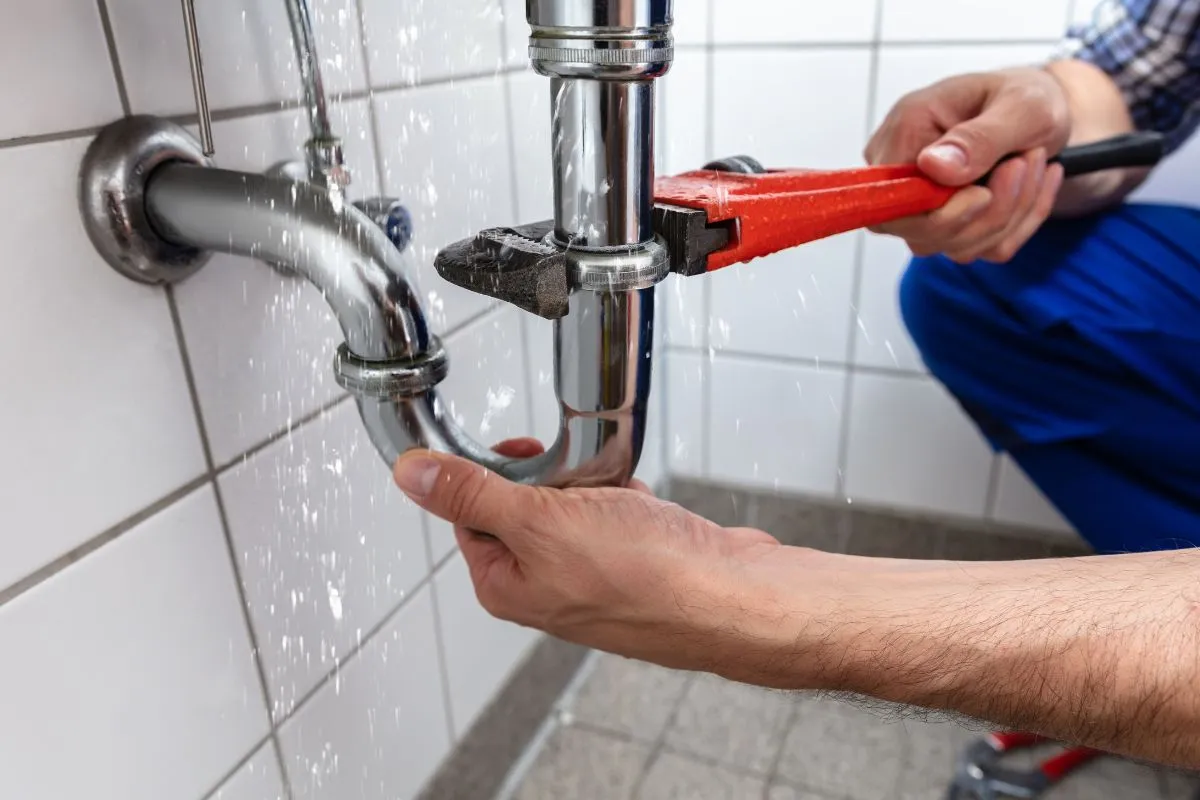
- Pipe wrench for tightening fittings
- Protective gloves to handle waste
- Flashlight to inspect dark areas
Inspect pipes for leaks or cracks monthly. Use the snake to clear minor clogs. Tighten loose connections with the wrench. Wear gloves for safety. Following these steps ensures a smooth-running sewer system while saving on costly repairs.
Tools you will need
- Plumber’s snake: Breaks up clogs effectively
- Drain auger: Reaches deeper blockages
- Pipe inspection camera: Identifies issues visually
- Pipe wrench: Tightens or loosens connections
- Protective gloves: Ensures safety during work
- Bucket: Catches debris and water overflow
Step-by-step maintenance guide
Start by removing debris from drains with a plumbing snake. Use a mixture of vinegar and baking soda to clear minor clogs. Flush pipes with hot water to ensure smooth flow. Inspect for leaks or unusual odors regularly. If problems persist, it’s wise to consult a professional.
When to call a professional
Recognizing when to call a professional can save you time and money. If you notice slow drainage or gurgling sounds, it may indicate a severe issue. Foul odors also signal potential sewer line problems. Professionals possess the right tools for thorough inspections. They ensure that repairs address the root cause, not just the symptoms. Choosing a reputable service provider guarantees peace of mind. Acting swiftly when signs arise prevents further damage.
Signs of serious issues
Recognizing signs of serious issues in your sewer line helps prevent major headaches. Watch for slow drains or gurgling noises, indicating potential blockages. Foul odors wafting from drains suggest trapped debris or leaks. Persistent wet spots in your yard might signal a broken pipe. If water backs up in your sinks or toilets, it points to a significant obstruction. Frequent clogs throughout your home could mean a larger problem in the main sewer line. Addressing these signs promptly can save you from costly repairs and extensive damage.
Choosing the right service provider
Selecting the right service provider ensures effective sewer maintenance. Look for experts with a proven track record, proper certifications, and transparent pricing. Seek recommendations from neighbors and online reviews to find reliable professionals offering expert drain cleaning services. Hiring a service provider with professional sewer maintenance expertise saves you from potential pitfalls. They bring specialized tools and knowledge to address complex issues efficiently, ensuring your sewer system remains in top condition.
Questions and Answers
Why should I consider routine sewer inspections?
Routine inspections help catch small issues before they turn into costly repairs. They ensure your sewer system functions efficiently.
What tools are essential for DIY sewer maintenance?
A plunger, drain snake, and protective gloves are essential. These tools help address minor blockages and keep lines clear.
How do I know if tree roots are affecting my sewer line?
Look for slow drains, gurgling noises, or wet spots in the yard. These signs may indicate tree root intrusion.
When should I call a professional for sewer issues?
Call a professional if you notice persistent backups, foul odors, or multiple clogged drains. These signs suggest serious problems.