As plumbing specialists, we understand how essential the kitchen is in any home. In Philadelphia, where houses range from charming historical buildings to modern apartments, kitchen drains face constant use. Grease, food scraps, soap, and other residues gradually accumulate, potentially causing blockages that threaten the smooth flow of your sinks. A plumbing problem in your kitchen is not just a nuisance, but also a risk for costly damages.
Sommaire
ToggleWhy do kitchen drains clog so frequently in Philadelphia?
Kitchen drains are high-risk for blockages. Several factors contribute to these clogs, and in Philadelphia, certain issues are particularly prevalent.
What clogs kitchen drains the most?
From our experience, we find that certain culprits consistently cause issues:
- Grease and cooking oils
- Food scraps
- Soap and detergents
- Hair and fibers
Do Philadelphia’s plumbing features contribute to clogs?
Many buildings in Philly are old, and their plumbing systems date back several decades. For example, cast iron pipes are prone to internal corrosion and the accumulation of mineral deposits, reducing their diameter and fostering blockages. The dense urban environment means plumbing networks can be complex, sometimes shared, where a problem in one unit can affect others. Kitchens in restaurants, cafes, and even numerous apartments often experience near-constant use, increasing the amount of debris circulating in pipes.
How to effectively prevent clogs in your Philadelphia kitchen?
Prevention is your best ally for maintaining healthy pipes. A few simple daily habits can save you a lot of hassle.
Best daily habits to adopt
We cannot emphasize enough the importance of these reflexes:
- Never pour grease or oil down the sink.
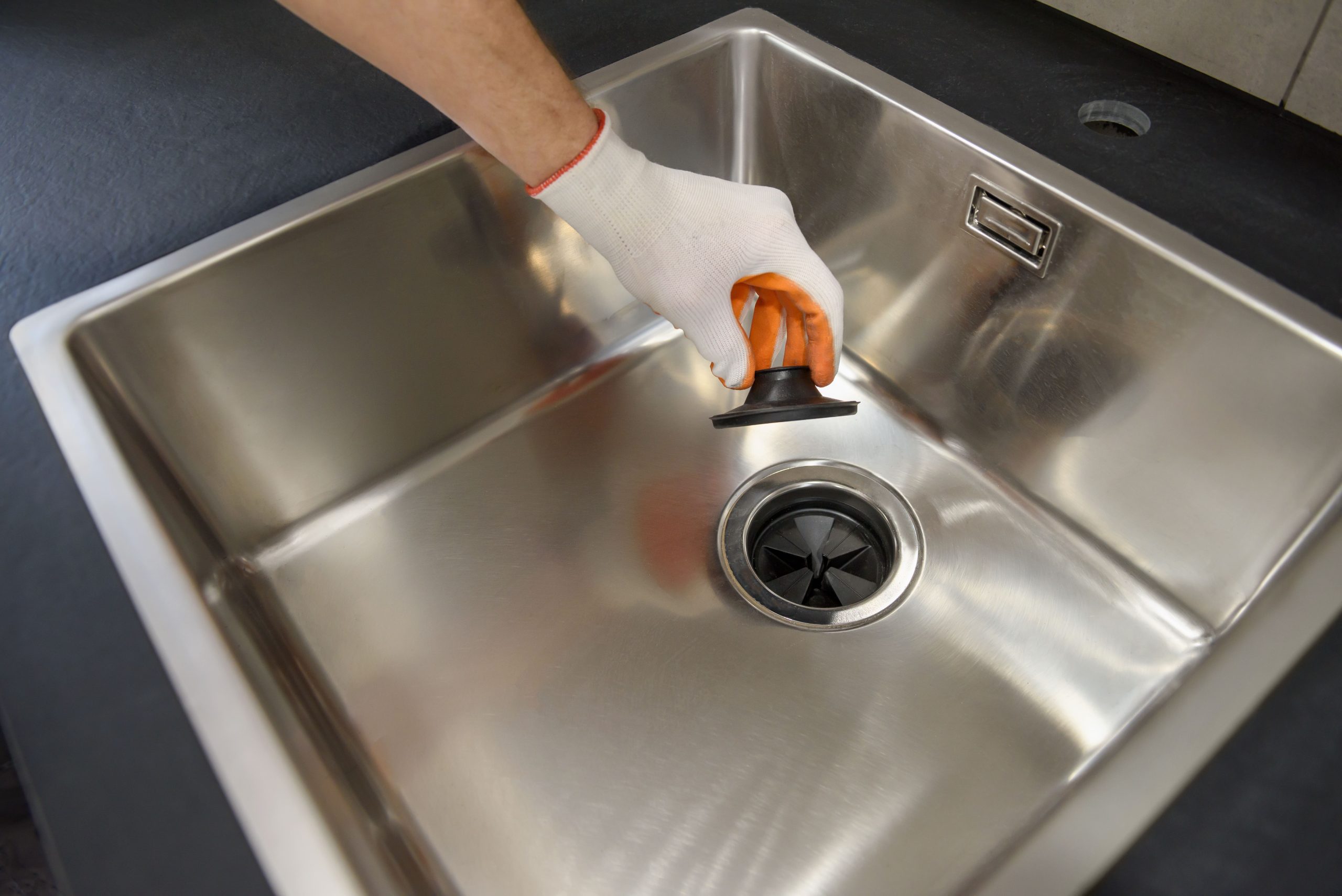
- Use drain strainers: Install them in all your kitchen sinks to catch food scraps and other solid debris before they enter the pipes. Empty them regularly into the trash.
- Scrape your plates: Before rinsing or placing them in the dishwasher, make it a habit to scrape off food scraps into the trash or compost.
- Run cold water with the garbage disposal: This helps solidify fats, making it easier to process them.
- Avoid certain foods with the garbage disposal: Items like bones, pits, corn, rhubarb, and potato skins (which are very fibrous) or eggshells can create blockages.
Are there natural solutions for regular maintenance?
Yes, and we highly recommend them as an alternative to harsh chemicals, especially if you live in an older Philadelphia home where pipes might be more fragile.
Baking soda and white vinegar
This dynamic duo is the champion of eco-friendly cleaning.
- Pour half a cup (about 100g) of baking soda directly into the drain.
- Follow it with half a cup (about 120 ml) of white vinegar.
- Let the bubbling mixture sit for 30 minutes to an hour. Baking soda is a mild abrasive and deodorizer, while vinegar reacts to dissolve grease and soap residue.
- Rinse thoroughly with hot water (not boiling if you have PVC pipes, just warm water from the tap). We recommend doing this once a month for preventive maintenance.
Boiling water (with caution)
A kettle of hot water can help dissolve small grease accumulations before they become major problems. However, avoid using boiling water if you know you have old or damaged PVC pipes, as the intense heat may warp them. For metal pipes, this method is generally safe and highly effective. Perform it once a week or every other week.
Read more : Essential drain maintenance tips for Philadelphia residents
When to call a professional for kitchen drain cleaning in Philadelphia?
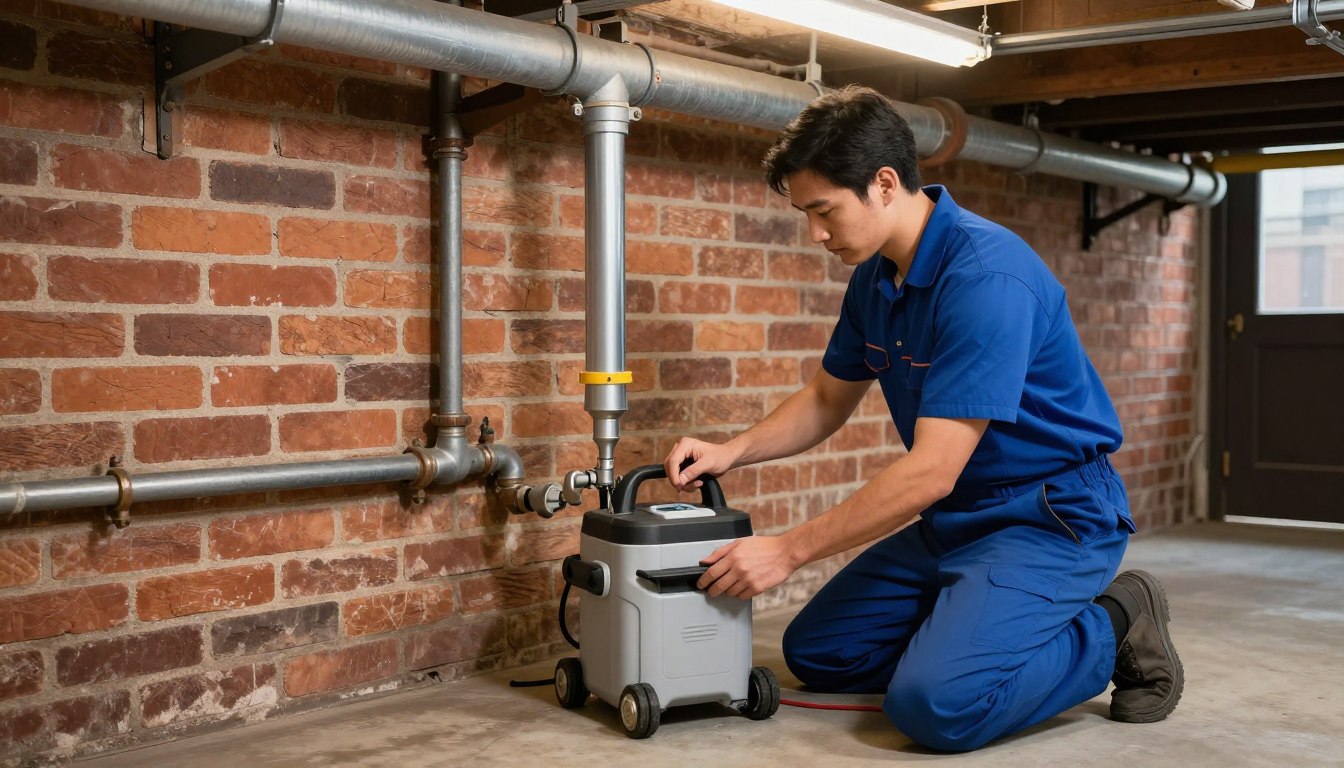
Despite all your best intentions and preventive efforts, there are situations where a qualified plumber’s intervention becomes essential. Don’t wait for the full-blown emergency, as a small issue can quickly escalate. We recommend staying alert to the following indicators:
- If water drains slowly even after your attempts at DIY cleaning, it’s a clear sign that a more significant clog is forming deeper in your pipes.
- If water backs up into the sink or other drains (shower, toilet) when you use the kitchen, it indicates a major blockage in the main line.
- Foul odors that persist after home cleaning indicate a significant buildup of decomposing organic material in your pipes.
- Strange sounds from your drains, especially after using the sink, may signal partial blockage creating air pressure.
Why is a Philadelphia plumber’s expertise preferable?
Calling a local professional in Philadelphia is often the best solution for several reasons:
- Accurate diagnosis
- Specialized equipment
- Knowledge of local plumbing specifics
- Prevention of further damage
Consider adopting a professional preventative maintenance inspection once a year or every two years, especially if your property is older. This ensures that any buildup is cleaned before it becomes a problem and allows the general condition of your plumbing to be checked. A little daily effort can save you considerable hassle and expenses down the line. Remember: clean pipes mean a functional kitchen and peace of mind!