Philadelphia’s historic buildings, with their unique architecture and rich heritage, present particular challenges when it comes to maintaining their plumbing. Pipes, often old and made of fragile materials, require special attention to avoid blockages, leaks or structural damage. Regular pipe cleaning is essential not only to ensure the functionality of drainage systems, but also to preserve the integrity of these remarkable buildings.
Sommaire
ToggleThe importance of cleaning drainage systems in historic buildings
Historic buildings in Philadelphia, rich in history and architectural heritage, present unique challenges when it comes to maintaining their plumbing. The pipes, often old and made of fragile materials, require special attention to prevent clogs or damage. While pipe maintenance is essential in any home, it is even more critical in historic buildings, where poor maintenance can lead to irreparable damage to the structure. The stakes go beyond plumbing and directly impact the overall integrity of the building.
The specific challenges of cleaning drainage systems in historic buildings in Philadelphia
The drainage systems in historic buildings face challenges that are not found in newer constructions. Due to their age and the diversity of materials used, these plumbing systems require a different approach.
Aging plumbing materials
Pipes made of copper, cast iron, or lead, commonly used in older buildings in Philadelphia, can deteriorate over time. The aging of these materials makes the pipes vulnerable to cracks and leaks. Additionally, mineral deposits and residues often accumulate in the pipes, leading to blockages. Cleaning these pipes requires expertise to avoid damaging the fragile materials.
Limited access and tight spaces
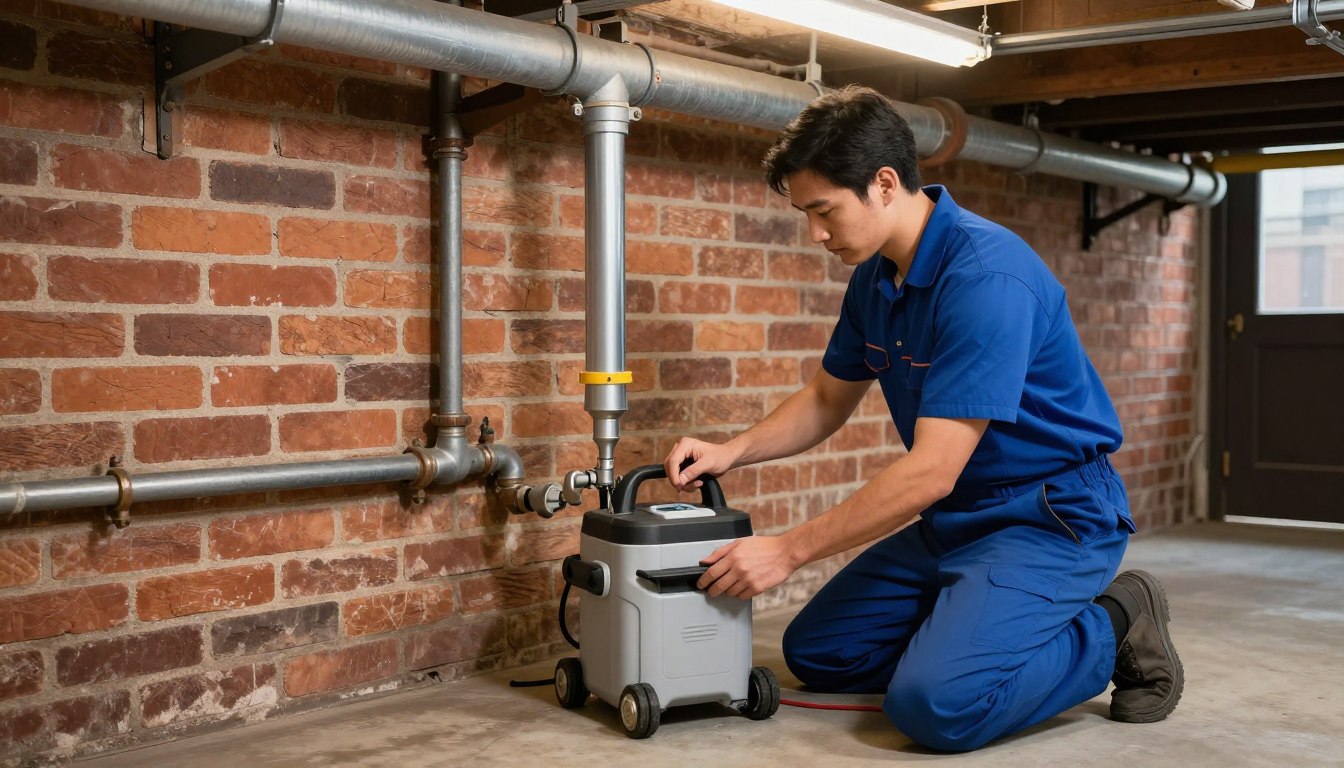
In historic buildings, accessing pipes can be challenging due to tight spaces or the original plumbing layout. The pipes may be difficult to reach, particularly in old walls or under floors. Renovations or modifications made over the years further complicate intervention, requiring more delicate methods to avoid damaging the historical architecture.
Risk of damage to historic structures
Cleaning the pipes in an old building also comes with an added risk: damage to surrounding structures. Traditional cleaning methods, such as using powerful chemicals or aggressive equipment, can harm fragile architectural elements like old brick walls or plaster finishes. Care must be taken to avoid impacting the beauty and structure of the building.
Solutions for cleaning drainage systems in historic buildings in Philadelphia
The challenges of cleaning pipes in historic buildings shouldn’t deter action, as there are solutions tailored to these specific needs. Here are effective methods and techniques to preserve both the plumbing and the building’s structure.
Adapted cleaning techniques
Using gentle methods, like low-pressure hydrojetting, is ideal for cleaning thoroughly without damaging the pipes. Unlike more aggressive equipment, this method removes blockages without risking cracks or displacing fragile pipes. Steam cleaning is also a soft but effective option for removing residues without chemicals.
Preventive maintenance to avoid blockages
Preventive cleaning is key. Regular inspections help identify signs of corrosion, clogs, or degradation in the pipes before they become major issues. Using eco-friendly products to maintain pipe cleanliness is also recommended. Natural solutions, such as baking soda or vinegar, help maintain hygiene without risking damage to the pipes.
Read more : The role of enzymatic cleaners in drain cleaning in Philadelphia
Working with plumbing and conservation experts
Collaborating with plumbers who specialize in restoring historic buildings is essential. These experts understand the intricacies of old materials and have the skills needed to intervene without causing damage. Additionally, a professional can provide advice on the best practices to prolong the lifespan of the pipes while preserving the integrity of the structure.
The benefits of regular cleaning of drainage systems in historic buildings
Regular cleaning of drainage systems offers many long-term benefits. It not only protects the plumbing but also ensures the preservation of the building and improves the quality of life for occupants.
Preserving structural integrity
Cleaning pipes helps prevent major blockages that could harm the building’s structure. Ensuring smooth water flow reduces the risk of leaks and deterioration of the foundation due to excessive moisture.
Improving indoor air quality
A functional and clean drainage system contributes to better air quality. Preventing the buildup of mold or bacteria in the pipes guarantees a healthier indoor environment, which is especially important in buildings that are often poorly ventilated.
Optimizing plumbing performance
Regular cleaning ensures that the pipes work optimally. Frequent blockages caused by residues or roots can be avoided, ensuring better water flow and a more durable plumbing system.
Read more : The benefits of compressed air drain cleaning in Philadelphia
Cleaning pipes in historic buildings in Philadelphia is a crucial step in maintaining the functionality and integrity of these old structures. By adopting suitable techniques, gentle methods, and regular maintenance, you not only guarantee the durability of your plumbing but also preserve the unique architecture of your building. Working with specialized experts helps balance efficiency with heritage preservation, giving you peace of mind for the long term.