
Clogged drains can turn into a nightmare fast. Deciding between DIY drain cleaning and hiring a pro often feels tricky. Save some bucks or ensure a thorough clean? Let’s dive into the pros, cons, and tips for each. You’ll soon know what’s best for your home and wallet!
Sommaire
ToggleUnderstanding DIY Drain Cleaning
DIY drain cleaning empowers homeowners with simple tools like plungers and drain snakes. It offers a cost-effective solution for minor clogs. Understanding the basics helps you tackle issues without professional help, saving money and maintaining your home efficiently.
Common tools and materials
- Plumber’s snake for reaching clogs deep within pipes
- Rubber plunger to create suction and dislodge blockages
- Baking soda and vinegar for a natural cleaning solution
- Pipe wrench for loosening pipe fittings
Using the right tools and materials makes diy drain cleaning more effective. Equip yourself with these essentials to handle common blockages and maintain clear drains.
Step-by-step guide to unclogging drains
Unclogging drains yourself saves money and empowers you to handle minor issues. Follow these steps to tackle common clogs effectively:
- Use a plunger to create suction and dislodge blockages. Ensure a tight seal for maximum effect.
- Remove the trap under the sink to access and clear debris manually. Wear gloves for hygiene.
- Pour a mixture of baking soda and vinegar down the drain, then flush with hot water to dissolve stubborn residues.
Pros and Cons of DIY Drain Cleaning
Tackling diy drain cleaning offers homeowners both advantages and challenges. Understanding these can guide better decisions. DIY methods save money and provide a sense of accomplishment. However, they also carry risks.
- Cost-effective: No professional fees, just purchase of tools.
- Empowerment: Gain new skills and confidence in home maintenance.
- Risk of damage: Incorrect methods might harm pipes or worsen clogs.
Benefits of doing it yourself
Handling diy drain cleaning offers significant cost savings, as it eliminates service fees. You gain control over the process, choosing when and how to tackle the clog. This approach provides valuable hands-on experience, boosting your confidence in managing household issues. It also allows for the use of eco-friendly methods, reducing the use of harsh chemicals in your home. Addressing minor clogs promptly prevents them from developing into major plumbing problems, saving you money in the long run.
Potential risks and challenges
DIY drain cleaning can present significant risks. Incorrect use of tools might damage pipes, leading to costly repairs. Misidentifying the blockage source could exacerbate clogs. Chemical drain cleaners, often used in DIY attempts, pose hazards to health and plumbing. Without professional training, it’s challenging to assess underlying issues like tree root intrusions or pipe misalignments. Attempting complex clogs without experience increases the risk of further complications. Balancing cost-saving with potential damage requires careful consideration and sometimes professional intervention.
Professional Drain Cleaning Explained
Professional drain cleaning offers efficiency and precision. Experts use advanced techniques:
- Hydro jetting for thorough cleaning
- Video inspections to pinpoint issues
- Snaking to remove blockages
- Rooter services for tough clogs
- Bio-cleaning solutions for maintenance
Consulting specialized drain advice ensures your home remains clog-free, saving time and money long-term.
Techniques used by professionals
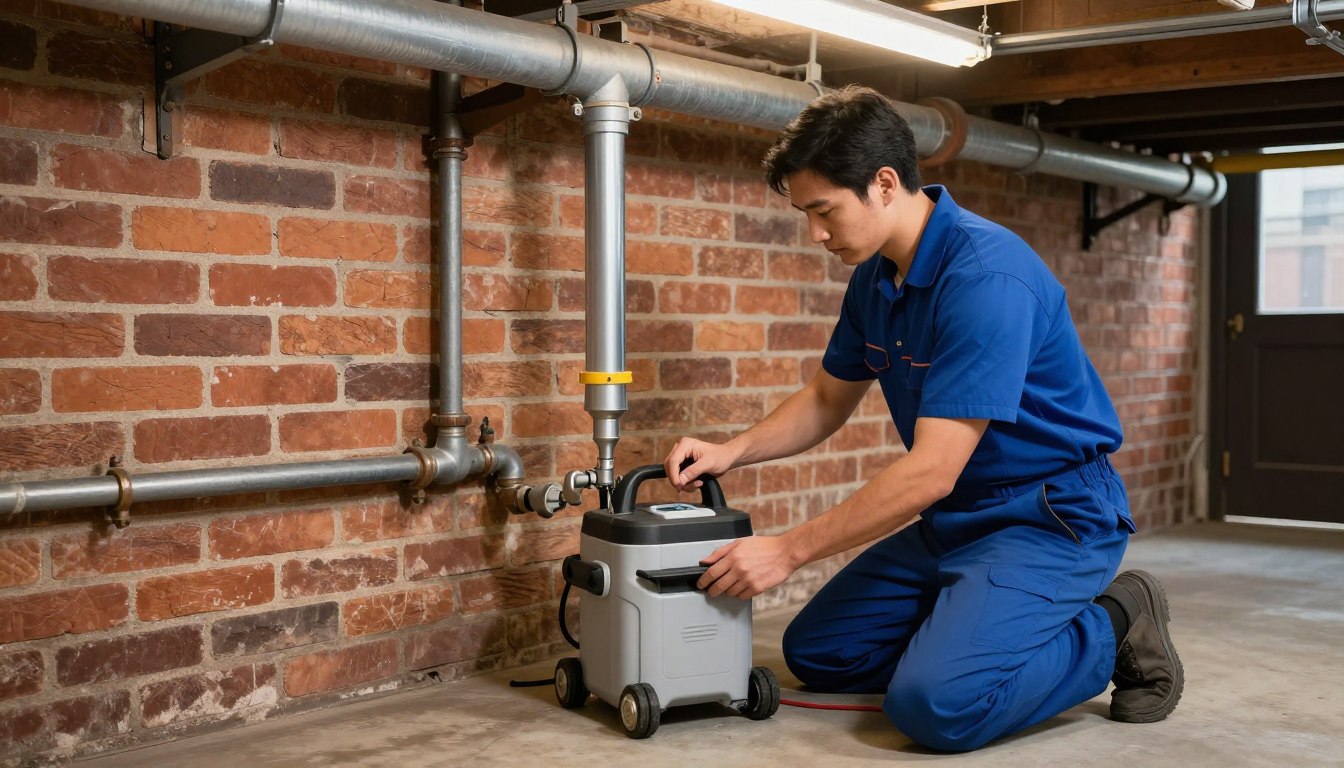
Professionals employ various techniques to ensure effective drain cleaning. One popular method involves using a motorized drain snake. This tool reaches deep into pipes, removing stubborn blockages. Another technique uses hydro-jetting, which blasts high-pressure water to clear debris. These methods provide thorough cleaning without damaging pipes. Professionals also use video inspection tools to diagnose issues accurately. This ensures precise problem-solving and prevents future clogs. For homeowners considering DIY, understanding these expert cleaning methods highlights why professionals often achieve superior results.
When to call a professional
Persistent clogs or recurring blockages often indicate the need for professional help. If water drains slowly, or you hear gurgling sounds, these might be red flags for your drains. Attempting to fix these issues yourself could worsen the problem. Professionals use advanced techniques like hydro-jetting and video inspections. They identify and solve deeper plumbing issues effectively. Ignoring these indications of drain trouble can lead to costly repairs. Always consider calling an expert when traditional DIY methods fail, ensuring your home’s plumbing system remains efficient and trouble-free.
Comparing Costs: DIY vs. Professional
| Aspect | DIY Drain Cleaning | Professional Service |
|---|---|---|
| Cost | Low (around $30) | High (up to $200) |
| Tools | Plunger, snake | Advanced equipment |
| Time | Varies | Quick resolution |
| Effectiveness | Limited | Thorough |
| Risk | Potential damage | Minimal risk |
Cost breakdown of DIY methods
Tackling a clogged drain yourself can save money. Essential tools and supplies often cost less than hiring a professional. Investing in a plunger, drain snake, or chemical cleaner keeps costs low while providing effective solutions.
| Item | Average Cost |
|---|---|
| Plunger | $10 |
| Drain Snake | $15 |
| Chemical Cleaner | $8 |
Cost analysis of hiring a professional
Hiring a professional for drain cleaning involves a variety of costs. Typically, the initial service fee ranges from $100 to $300, depending on the severity of the clog and location. This price might increase if specialized tools like hydro jetting or camera inspections become necessary. Professionals offer expertise, reducing the risk of damage to your plumbing system. The cost may seem higher upfront, but the long-term benefits include preventing recurring issues, saving you money on future repairs, and ensuring your home’s plumbing remains efficient and reliable.
Tips for Preventing Future Clogs
Regularly flush your drains with hot water and baking soda to keep them clear. Avoid pouring grease or food scraps down the sink, as they can cause blockages. Consider using a drain guard to catch hair and debris, preventing future clogs effectively.
Regular maintenance practices
Perform regular drain checks by pouring hot water weekly to dissolve grease. Use a mixture of baking soda and vinegar monthly for a natural cleanse. Install strainers in sinks to catch debris. Clean stoppers often. Avoid pouring oils down drains.
Natural remedies to keep drains clear
To maintain clear drains, consider using natural remedies like baking soda and vinegar. Pour half a cup of baking soda into the drain, followed by half a cup of vinegar. Let it fizz for a few minutes, then flush with hot water. This method helps avoid clogs naturally and keeps your pipes fresh. Incorporating such simple solutions into your routine can significantly reduce the risk of blockages, ensuring your plumbing remains in top condition.
Questions and Answers
What are some common tools for DIY drain cleaning?
Common tools include a plunger, drain snake, and a pipe wrench. These tools help clear most household clogs efficiently.
How do you know when to call a professional for drain cleaning?
Call a professional if clogs persist despite DIY efforts, or if water drains very slowly. Professionals handle complex blockages.
What are the main benefits of DIY drain cleaning?
DIY drain cleaning saves money and offers immediate solutions. It empowers homeowners to manage small clogs themselves.
Are there natural remedies for preventing future clogs?
Yes, use baking soda and vinegar to keep drains clear. Regular hot water flushes also help maintain free-flowing drains.