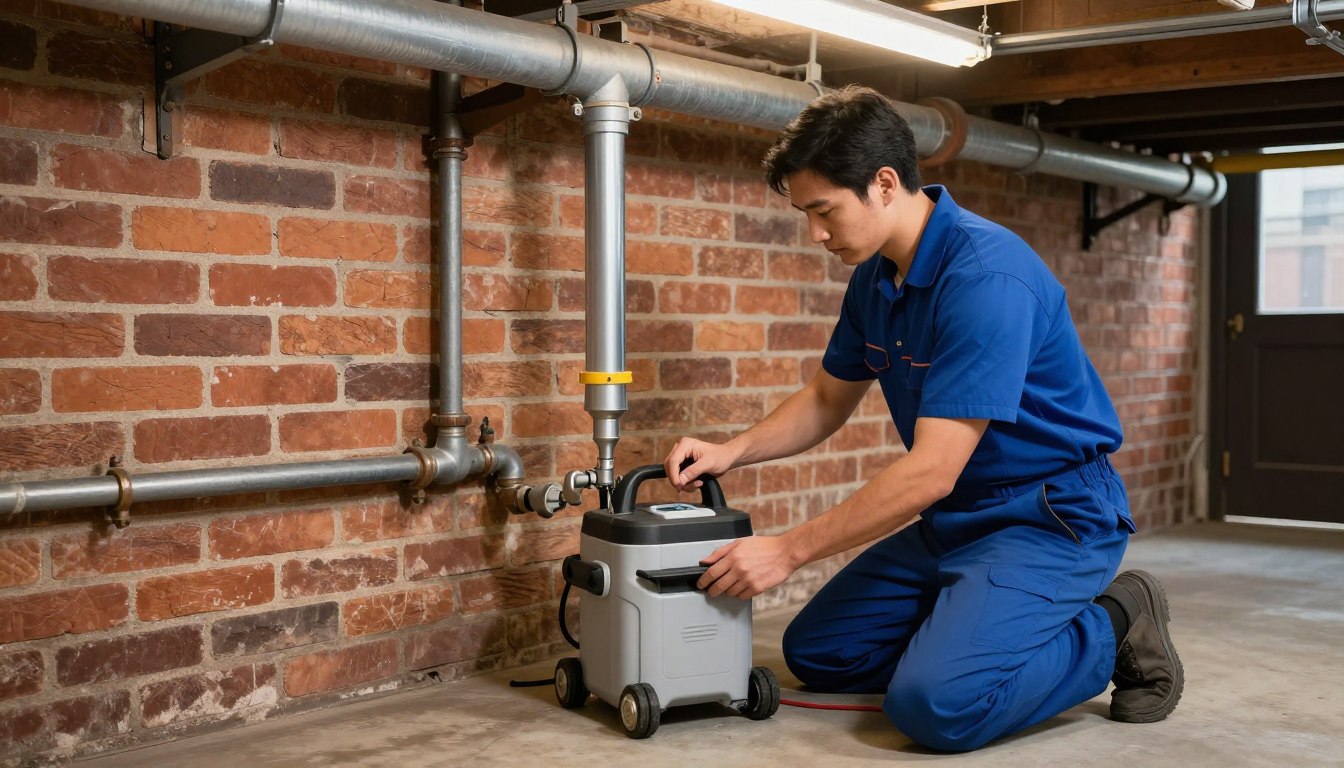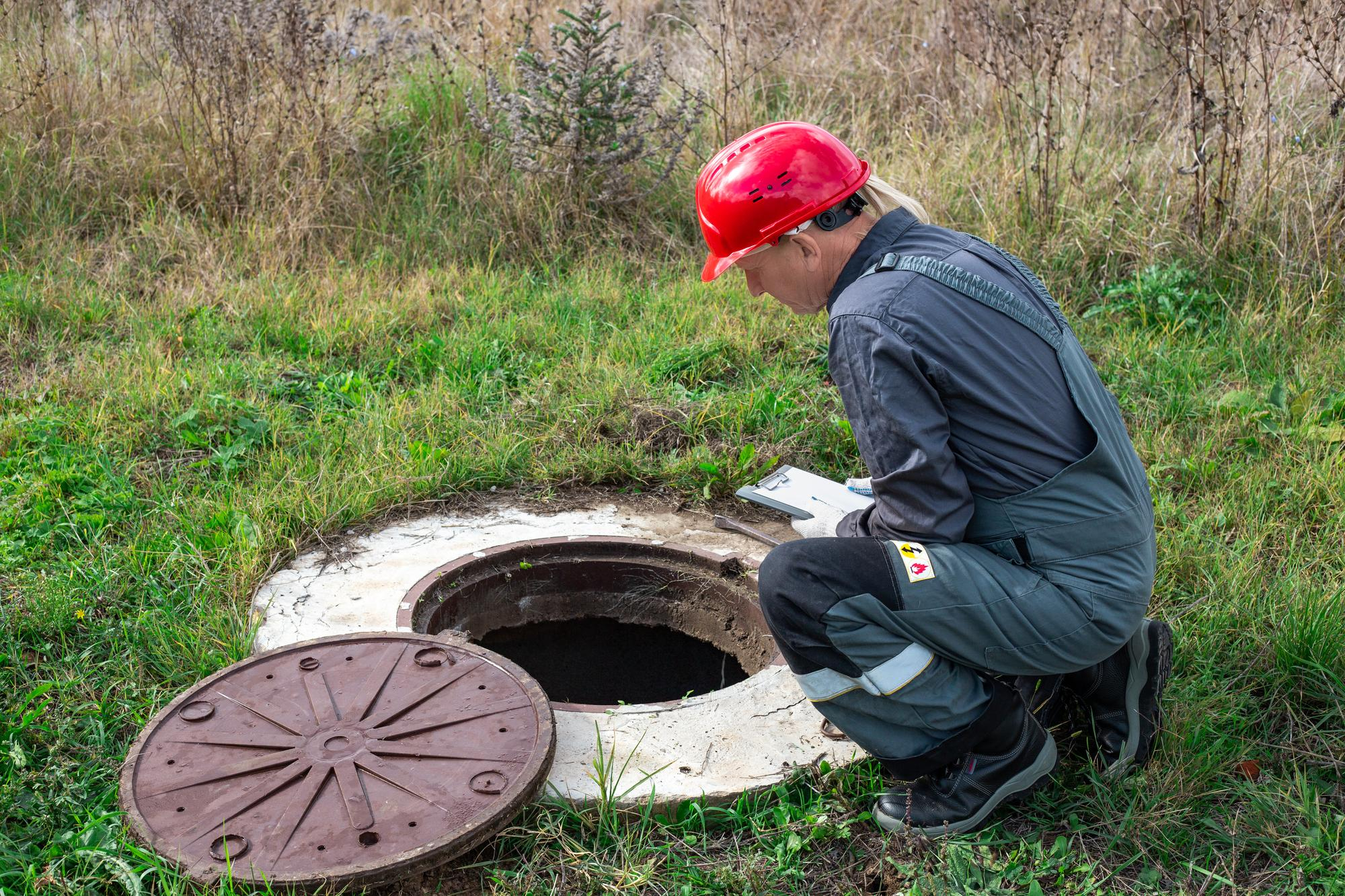

In Philadelphia, the types of drains in homes vary based on the age of the buildings, local climate conditions, and the layout of the house. Each type of drain has specific cleaning and maintenance needs. Knowing when and how to maintain them will help you avoid blockages and extend the life of your plumbing system. Here’s an overview of the main types of drains in Philadelphia and practical tips for their upkeep.
Sommaire
ToggleCommon types of drains in Philadelphia
Homes in Philadelphia have different types of drains, each with distinct characteristics and needs. Understanding these differences will help you better manage their maintenance.
Kitchen drains
Kitchen drains are often subjected to grease, food scraps, and waste. As a result, they are particularly prone to clogs. These drains need to be cleaned regularly to avoid the buildup of debris that could block water flow.
Bathroom drains
Bathroom drains, especially those in showers and sinks, are often clogged by hair, soap, and toiletries. These materials can easily accumulate, particularly if drain filters are not in place. It’s essential to clean these drains frequently to avoid slow water drainage or clogs.
Floor drains
Floor drains are common in basements, kitchens, and sometimes garages. They are used to evacuate wastewater or rainwater. Due to their location, these drains are often exposed to dirt and debris that can block their operation. Regular maintenance is required to ensure these drains don’t get clogged with dirt and debris.
Stormwater drains
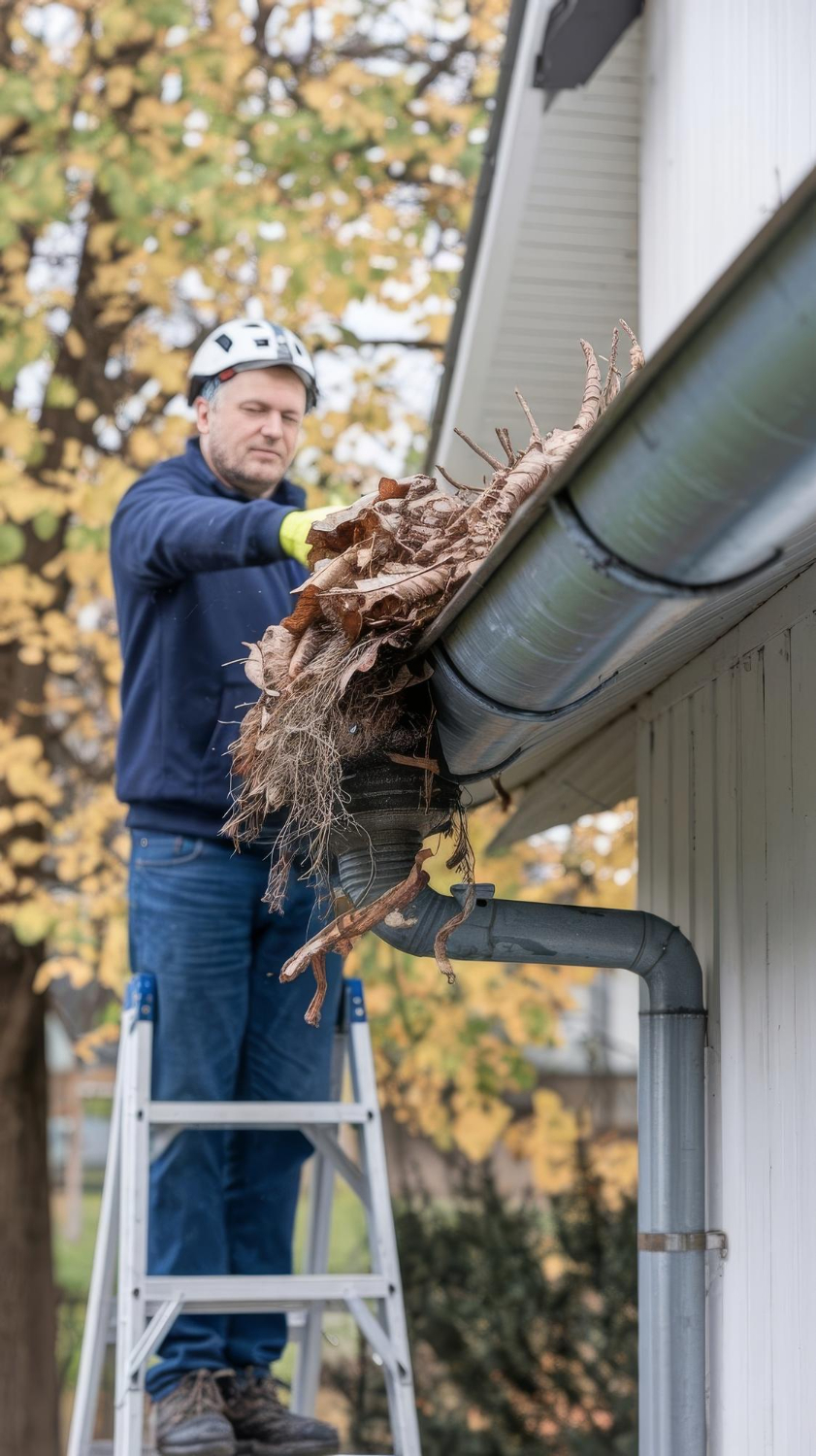
These drains are specifically designed to handle excess rainwater and prevent flooding. In Philadelphia, where storms can be frequent, these drains need to be cleaned regularly to prevent leaves, branches, and debris from blocking the water flow. Obstructions in these drains can lead to basement flooding and foundation damage.
Cleaning needs according to drain types
Each type of drain requires a different cleaning approach. The methods used for cleaning kitchen drains may not be suitable for bathroom drains or stormwater drains. Here’s how to maintain each type effectively.
Kitchen drains
Kitchen drains should be cleaned regularly to remove grease, oils, and food scraps. Pouring hot water and soap down the pipes regularly helps reduce grease buildup. It’s also recommended to use natural solutions like baking soda and vinegar to deodorize and clean pipes without harsh chemicals.
Bathroom drains
In the bathroom, hair is the main culprit for clogs. Installing drain filters is crucial to trap hair and other debris. A monthly cleaning with a vinegar and baking soda mixture will prevent blockages. For more serious obstructions, you may need to use a chemical drain cleaner or call a professional for a deep clean.
Floor drains
Floor drains need to be regularly cleaned to prevent debris and dirt buildup. During autumn, when leaves fall, it’s especially important to check that these drains aren’t clogged with outdoor debris. A simple rinse with hot water will suffice in most cases, but deeper cleaning may be necessary after heavy rain or flooding.
Stormwater drains
Stormwater drains should be cleaned one to two times a year, especially at the start of fall to remove leaves and after heavy rains to clear accumulated debris. After a major storm, check the drains immediately to avoid any blockages.
Cleaning frequency in Philadelphia
The frequency of cleaning drains depends on their type and usage. Here are some recommendations to keep your plumbing system functioning properly in Philadelphia.
Kitchen drains
It’s advisable to clean kitchen drains at least once a month, or more frequently if you cook with grease or oils. After each meal, a quick rinse with hot water can also help prevent grease buildup.
Bathroom drains
Bathroom drains should be inspected every two to three months. More frequent cleaning may be required if you notice slow drainage. Using filters and natural products can help prevent the accumulation of hair and soap.
Floor drains
Floor drains should be inspected at least twice a year. If you live in a flood-prone area in Philadelphia, you may need to clean them more frequently, especially after heavy rains.
Stormwater drains
These drains should be cleaned once or twice a year, particularly at the beginning of fall to remove leaves, and after heavy rain to remove debris. After a storm, always check your drains to ensure they are not blocked.
Drain types in Philadelphia: a quick overview of cleaning needs
Here’s a quick summary of the different types of drains in Philadelphia and their specific cleaning needs. Regular maintenance is essential to avoid clogs and extend the life of your plumbing system.
| Drain type | Characteristics & Needs | Cleaning tips | Cleaning frequency |
| Kitchen drains | Prone to grease, food scraps, and waste, leading to frequent clogs. Needs regular cleaning to avoid debris buildup. | Clean regularly, remove grease and food scraps. Use hot water and soap or natural solutions like baking soda and vinegar for deodorizing. | At least once a month, or more frequently with heavy cooking. Quick rinse after each meal helps prevent grease buildup. |
| Bathroom drains | Clogged by hair, soap, and toiletries. Requires regular cleaning to prevent slow drainage and blockages. | Install filters to trap hair and debris. Clean monthly with vinegar and baking soda. Use a chemical cleaner or call a professional for serious blockages. | Every 2-3 months, or more often if slow drainage occurs. Use filters and natural cleaners to prevent hair and soap buildup. |
| Floor drains | Used for wastewater or rainwater evacuation, exposed to dirt and debris. Requires regular cleaning to avoid blockages. | Inspect and clean at least twice a year. Rinse with hot water. Clean more frequently after heavy rain or flooding. | Inspect at least twice a year, more frequently in flood-prone areas or after heavy rains. |
| Stormwater drains | Designed to handle excess rainwater. Needs cleaning to prevent leaves, branches, and debris from blocking the flow, avoiding flooding. | Clean once or twice a year, especially in the fall to remove leaves and after heavy rain to clear debris. | Clean once or twice a year, especially after storms or during fall to remove leaves. |
When to call a professional for drain cleaning in Philadelphia
Even with regular maintenance, some situations require a professional’s intervention. Here are the signs that indicate it’s time to call an expert.
Persistent clogs
If you’ve tried several cleaning methods without success, or if your drains continue to clog, it’s time to call a professional. Persistent clogs may signal a deeper issue, such as tree root intrusion or significant calcium buildup.
Persistent unpleasant odors
Unpleasant odors that don’t disappear after cleaning are a sign that something is wrong with your pipes. This could be caused by waste buildup or a partial blockage that only a professional can clear.
Leaks and slow drainage
If you notice leaks or slow drainage despite regular cleaning, it’s likely time to call a professional. These signs can indicate underlying issues, such as cracks in the pipes or invasive roots that require specialized attention.
Read more : Seasonal maintenance checklist for your plumbing system
Drains in Philadelphia, like elsewhere, require special attention to ensure they function well. By adopting seasonal maintenance, promptly repairing small leaks, and avoiding common mistakes, you can reduce the risk of blockages and extend the lifespan of your plumbing system. Don’t wait for major issues to arise; call a professional for a thorough cleaning if you experience recurring clogs or drainage problems. Protect your drains today to avoid future headaches.