As summer temperatures soar in Philadelphia, your air conditioning unit becomes essential for comfort. But did you know that regularly cleaning your AC drains can significantly improve its performance and extend its lifespan? Air conditioners work by removing moisture from the air, and if the drainage system gets clogged, it can lead to poor efficiency, water damage, and even costly repairs. In this article, we’ll explore when and why you should clean your air conditioning drains and the benefits of keeping them clear.
Sommaire
ToggleWhy clean your AC drains regularly?
Your air conditioning unit works by cooling the air and removing excess moisture. The moisture is collected in the condensate pan and is then drained away through the drain line. Over time, dirt, algae, and debris can accumulate in the drain line, causing clogs. When the drain is blocked, it can lead to several problems:
- Reduced efficiency: A clogged drain forces your AC to work harder, which can reduce its cooling efficiency and increase energy consumption.
- Water damage: If the drain line is blocked, the excess water may overflow, potentially causing water damage to your home or your AC system.
- Mold growth: A clogged drain can create a damp environment, leading to mold growth inside your unit or around the drainage system, which can negatively impact air quality.
Cleaning your AC drains regularly ensures that moisture is properly expelled and that your system continues to run smoothly.
Read more : The role of enzymatic cleaners in drain cleaning in Philadelphia
When to clean your AC drains in Philadelphia
Timing your air conditioning drain cleaning is crucial for maintaining optimal performance. Here’s when you should consider cleaning your AC drains:
Before summer (spring cleaning)
As the weather warms up, it’s important to get your AC system ready for the heat. Cleaning the drain before you start using your AC frequently can prevent issues before they arise. Spring cleaning your AC system, including the drain line, ensures everything is working at its best for the hot summer months.
At least once a year
If you don’t notice any drainage problems, cleaning the AC drains at least once a year is a good rule of thumb. Ideally, do this before the summer when your unit will be working its hardest. Regular yearly cleaning can also help you avoid any serious blockages that might require professional attention.
If you notice water leaks or poor cooling performance
If you start to notice water leaks around the AC unit or the room isn’t cooling as efficiently, it’s time to check the drain. Clogged drains are a common cause of water leakage and can also prevent the unit from draining moisture properly, affecting cooling performance. If you see these signs, it’s best to clean the drain right away to avoid further complications.
After heavy rain or storms
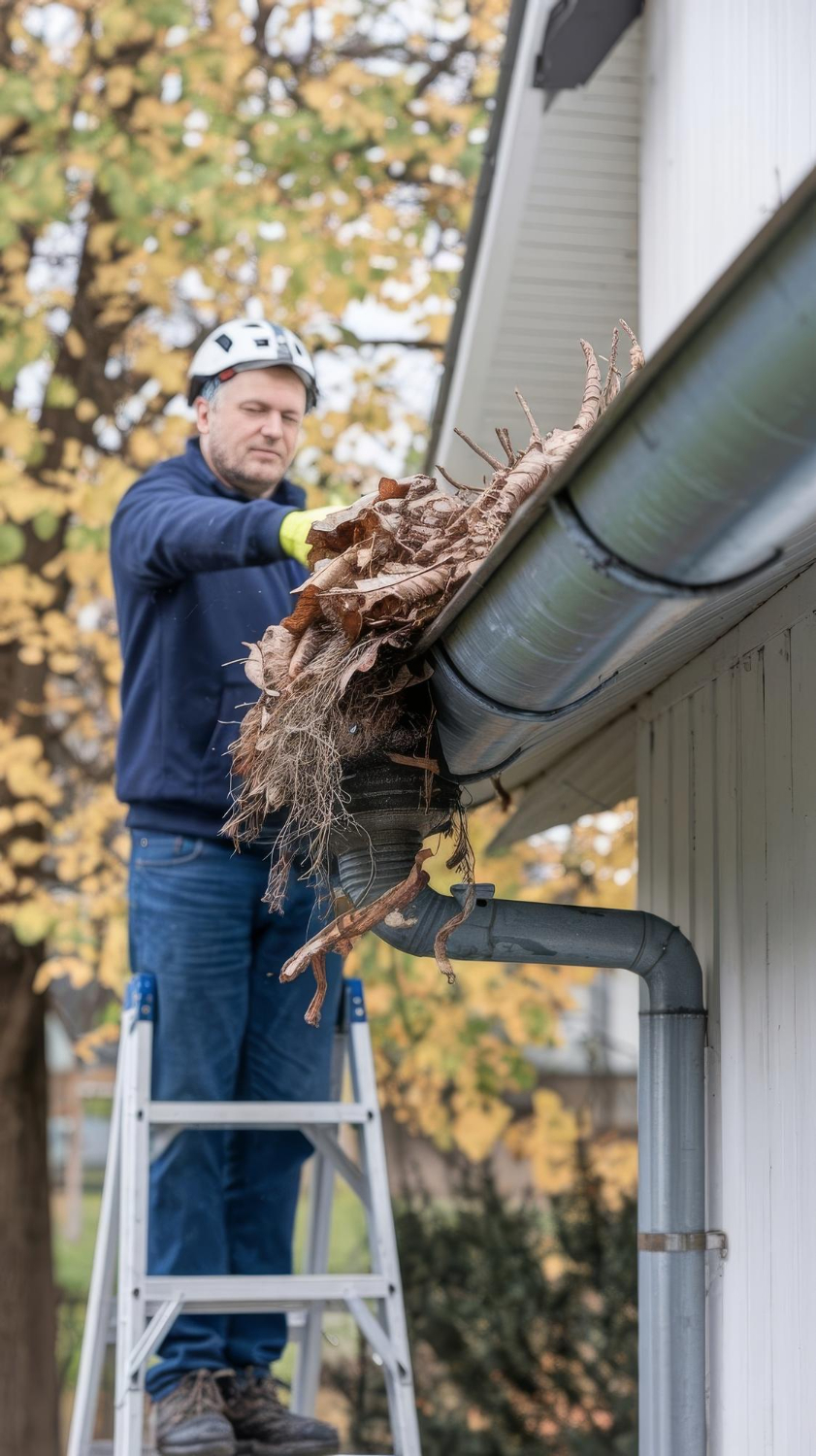
Philadelphia is known for its occasional heavy rains and storms, and these weather conditions can lead to debris getting washed into your air conditioner’s drainage system. After a major storm, it’s worth checking or cleaning the drain to ensure that no debris has clogged the line and is preventing the system from draining properly.
How to clean your AC drains
Cleaning the AC drain is a simple task that can be done on your own or by a professional. Here’s how you can clean it yourself:
Cleaning the AC drain is a simple task that can be done on your own or by a professional. Here’s how you can clean it yourself:
- Always turn off the power to your AC unit before cleaning to ensure safety.
- Find the drain line near your outdoor unit or air handler. The drain line is typically a PVC pipe that leads from the condensate pan to the outside of the house.
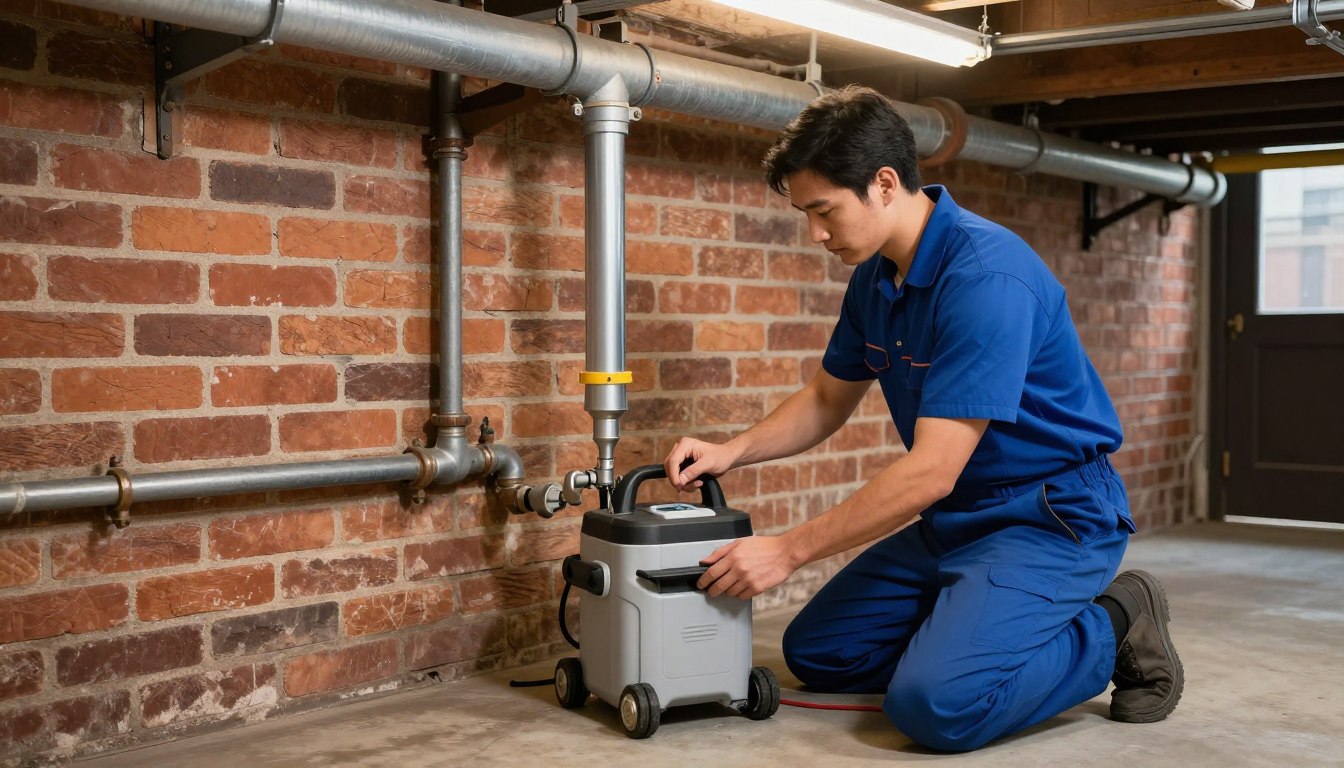
- Attach a wet/dry vacuum to the end of the drain line to suction out any debris or blockages. You can also pour a mixture of water and vinegar (or a specialized AC drain cleaner) into the line to help break down any buildup. Let it sit for 30 minutes before flushing with water.
- Inspect the condensate pan under the air handler to make sure it’s not clogged with algae, dirt, or mold. Clean the pan if necessary.
- Once you’ve cleaned the drain, turn the AC back on and check the drainage system to ensure water is flowing freely.
Professional drain cleaning and maintenance
If you’re not comfortable cleaning the drain yourself, or if you want to ensure that your AC unit is running as efficiently as possible, consider hiring a professional HVAC technician in Philadelphia. A technician will:
- Inspect the entire system to ensure there are no other hidden issues.
- Clean the drain line thoroughly using specialized tools.
- Check the condensate pan and other components for mold, algae, or other signs of buildup.
- Ensure the AC is operating at peak efficiency, which can help lower energy bills and extend the life of your system.
Benefits of regular drain cleaning
Regularly cleaning your air conditioning drains has numerous benefits, including:
- Improved performance: A clean drain line allows your AC to operate efficiently, which helps lower your energy bills and keeps your home cool.
- Prevention of water damage: A clear drain prevents excess water from overflowing and causing damage to your home or AC unit.
- Better air quality: By preventing mold and bacteria growth, regular cleaning of the drain ensures your home’s air quality remains fresh and clean.
- Longer lifespan of your AC: Proper maintenance, including drain cleaning, extends the lifespan of your air conditioning unit by reducing the wear and tear caused by clogs and overwork.
Read more: The benefits of compressed air drain cleaning in Philadelphia
Cleaning your air conditioning drains in Philadelphia is essential for keeping your system running smoothly and avoiding costly repairs. By performing regular cleaning, especially before the summer heat arrives, you’ll ensure that your AC system operates efficiently, prevents water damage, and improves air quality. Whether you choose to do it yourself or hire a professional, maintaining clear AC drains is one of the most effective ways to maximize the performance and lifespan of your air conditioning system.