What starts as a minor inconvenience, slow-draining sinks or a stubborn shower clog can quickly spiral into something much worse if left unchecked. In Philadelphia, the risks of ignoring clogged drains go far beyond simple annoyance; they can threaten your home’s structure, your health, and even your property value. Let’s dive into the dangers of neglecting your plumbing and why acting fast can save you a lot of trouble down the road.
Sommaire
ToggleWater damage: the hidden threat of blocked drains
Ignoring a clogged drain is one of the easiest ways to invite water damage into your home. When water is blocked from draining properly, it can back up into sinks, toilets, bathtubs, and even the walls or floors, causing severe damage. This isn’t just a minor inconvenience it can quickly escalate into an expensive repair issue.
Overflowing sinks and toilets
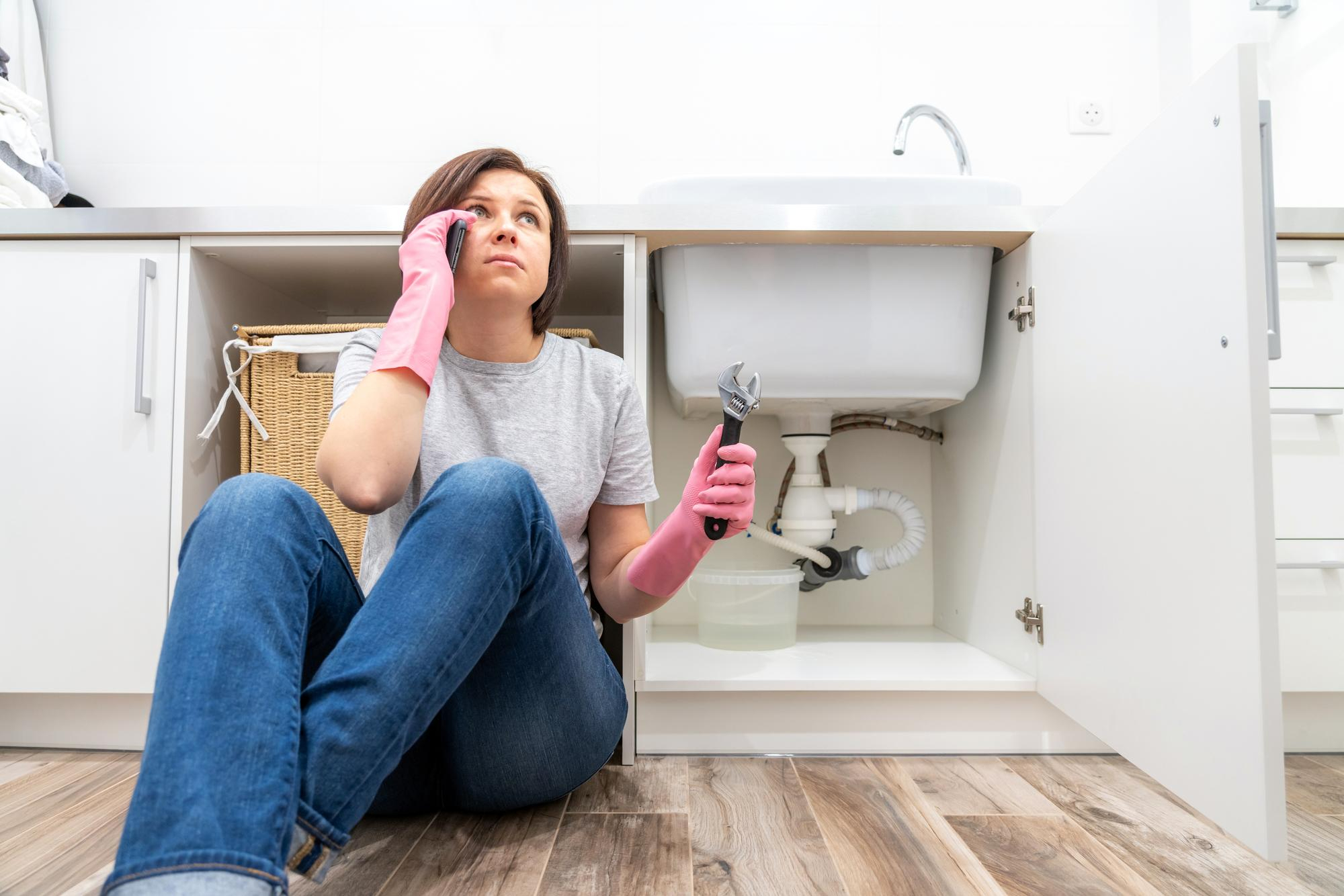
When a drain becomes clogged, water has no place to go. As a result, it overflows from sinks, bathtubs, or toilets, spreading onto the floor and potentially causing significant damage. For instance, water overflowing from a bathroom sink can damage cabinets, walls, and even nearby electronics. Ignoring this overflow can lead to flooding in multiple areas, worsening the damage and leading to more costly repairs.
Hidden water leaks
A clogged drain can also cause hidden leaks in your plumbing. As water backs up inside the pipes, it may seep into the walls, floors, or ceilings without you noticing immediately. These leaks can go undetected for days or weeks, leading to hidden damage like mold growth or rotting wood in your home’s structure. By the time you notice these signs, the problem may already have spread, requiring extensive repair work.
Read more: DIY vs. Professional drain cleaning: What you should know
Health risks: contaminants and bacteria in blocked drains
Clogged drains can create a breeding ground for bacteria and other harmful contaminants. Food scraps, soap, hair, and other debris can collect inside the pipes, decomposing and releasing unpleasant odors and fostering the growth of mold and bacteria. Ignoring a clogged drain can lead to a contaminated environment in your home, which can pose serious health risks to you and your family.
Mold growth
Mold thrives in moist, stagnant environments, which is exactly what a clogged drain can create. Over time, trapped water in clogged pipes can promote mold growth, especially in hidden areas like under cabinets or inside walls. Mold is not just unsightly; it can trigger respiratory issues, allergies, and other health concerns. Mold removal can be expensive, and extensive damage might require costly repairs to affected areas.
Bacterial contamination
Clogged drains can trap organic material such as food scraps and grease, creating an ideal environment for bacteria to thrive. Bacteria such as E. coli and salmonella can grow inside the pipes and spread through the air, especially when there is overflow or leakage. This contamination can lead to foodborne illnesses or other health problems. The longer you wait to address the problem, the greater the risk of bacteria spreading throughout your home.
Increased repair costs: small problems turn into big bills
Ignoring a clogged drain might seem like an easy way to save money in the short term, but it can lead to much larger and more expensive repairs in the long run. What could have been a minor clog may turn into a serious plumbing issue if left unchecked.
Burst pipes and pipe corrosion
A clog puts additional pressure on your plumbing system, causing the pipes to become more vulnerable to cracking, bursting, or corrosion. Over time, this pressure can cause pipes to rupture, leading to flooding or a broken plumbing system. The cost of replacing burst pipes is far higher than the price of clearing a small clog, making it essential to act quickly when you notice a problem.
Water damage restoration
If you ignore a clog and the water begins to overflow or leak, the damage can extend beyond the pipes. You could end up dealing with extensive water damage restoration, which involves replacing carpets, drywall, flooring, and sometimes even parts of the structure. These repairs can easily cost thousands of dollars, making it far more cost-effective to take preventative action now.
Unpleasant odors: the smell of hidden problems
A clogged drain often comes with persistent bad odors that can spread throughout your home. These smells aren’t just unpleasant; they are an indicator that waste or organic matter is decomposing inside your plumbing system.
Foul smells in the kitchen and bathroom
Blocked kitchen or bathroom drains can emit foul smells caused by food waste, grease, and soap buildup. These odors tend to be more noticeable in high-humidity areas like the kitchen and bathroom, and they may become stronger over time. If left unresolved, these odors can affect your home’s overall comfort and air quality.
Impact on indoor air quality
As organic material decays inside your pipes, it can lead to poor indoor air quality, which can trigger allergies, respiratory issues, or general discomfort in your home. The longer the problem persists, the worse the smell gets, and it can take significant effort to remove the odor completely from your home.
Decreased property value: long-term impact of plumbing issues
If you’re planning to sell your home in the future, ignoring clogged drains now can negatively affect your property value. Potential buyers are likely to back out of a deal if they see signs of plumbing issues or water damage.
Visible water damage and mold
Water stains, mold growth, and warped flooring are immediate red flags for prospective buyers. If they see that your home has suffered from water damage caused by clogged drains, they may request a price reduction or decide not to purchase your home at all. Keeping your drains clear ensures that you don’t lose out on the value of your property.
Plumbing inspections and buyer concerns
Plumbing issues are among the most common problems discovered during home inspections. If an inspector finds evidence of clogged drains or pipe damage, it could cause buyers to hesitate or request repairs before proceeding with the sale. A home with ongoing plumbing issues may sit on the market longer, potentially lowering its resale value.
Time and convenience: why you shouldn’t delay action
Dealing with clogged drains isn’t just a matter of money it’s about time and convenience. When your plumbing isn’t working properly, it affects your daily routine.
Daily inconvenience
Slow-draining sinks or toilets that frequently overflow can disrupt basic activities such as washing dishes, taking a shower, or using the restroom. These inconveniences pile up over time and cause stress in your daily life. Act quickly to avoid this unnecessary frustration.
Increased maintenance time
The longer you wait to fix a clogged drain, the more complicated and time-consuming the repairs become. A small issue can easily turn into a big one, requiring more invasive solutions. Regular maintenance and quick action will save you time and effort in the long run.
Read more: Signs you need professional drain cleaning
Clogged drains might seem insignificant at first, but ignoring them can lead to severe problems like water damage, health risks, increased repair costs, and lower property value. By acting quickly when you notice a problem, you can protect your home, your family’s health, and your wallet. Regular maintenance and timely intervention are essential to keeping your plumbing system in optimal condition and preventing long-term issues. Don’t wait for the problem to escalate take action today.