Are you tired of unexpected plumbing disasters? Spotting early plumbing problems can save you time and money. Simple signs often hide bigger issues. This guide helps you detect these signs before they escalate. Stay ahead of potential damage with practical tips and ensure your home stays in top shape. Let’s dive in and safeguard your investment!
Sommaire
ToggleCommon early signs of plumbing issues
- Unusual noises in pipes
- Slow draining sinks and tubs
- Water stains on walls and ceilings
- Frequent toilet clogs
- Low water pressure
- Unexpected increase in water bills
Recognizing early signs of plumbing issues can save you money and stress. Addressing these problems promptly helps maintain your home’s value and avoids costly repairs.
Unusual noises in pipes
Strange sounds from your pipes often signal plumbing problems detection. If you hear banging or clanking, it might indicate a pressure issue or loose pipes. Gurgling suggests potential blockages in drains. Whistling noises often result from worn-out washers or high water pressure. Address these sounds promptly to prevent further damage. Check pipe connections and ensure they’re secure. Adjust water pressure using a pressure-reducing valve if needed. Listening to these unusual noises helps you catch issues early, saving time and avoiding costly repairs.
Slow draining sinks and tubs
Slow draining sinks and tubs often indicate underlying plumbing issues. Water pooling or sluggish flow suggests blockages in pipes. Check for other clog indicators like gurgling sounds. Regular maintenance helps prevent these problems. Use a plunger or snake for minor clogs. If issues persist, consult a professional to avoid severe damage. These steps ensure your plumbing system functions efficiently and keeps your home in top condition.
Water stains on walls and ceilings
Water stains on walls and ceilings often indicate hidden leaks within the plumbing system. These stains can lead to mold and structural damage if ignored. Regularly inspect these areas for discoloration or dampness. Addressing these signs promptly can prevent costly repairs and maintain your home’s value.
How to inspect your plumbing system
Regularly inspecting your plumbing system helps in detecting early issues. Start by conducting a visual check and move on to detailed inspections:
- Check visible pipes for corrosion or leaks.
- Ensure water pressure levels remain consistent in all fixtures.
- Use a moisture meter to test for hidden leaks behind walls.
These steps help maintain your plumbing’s efficiency.
Checking visible pipes and joints
- Inspect all exposed pipes for corrosion or rust.
- Look for leaks at joints and connections.
- Feel for dampness on pipes, which indicates moisture.
- Check for loose fittings or connections.
- Examine pipes for any signs of cracks or damage.
Regular inspection of visible pipes and joints helps prevent major plumbing issues. Spotting corrosion, leaks, or cracks early can save money and time. Addressing minor problems promptly keeps your plumbing system functioning efficiently and maintains your home’s value.
Examining water pressure levels
Begin by turning on faucets in different rooms to check for consistent water pressure. If you notice a weak flow, it may signal a blockage or pressure regulator issue. Consider using a pressure gauge to measure levels, ensuring they fall within the ideal range of 40-60 psi, which prevents potential plumbing problems.
Testing for hidden leaks
Detect hidden leaks by checking water meter readings. Turn off all water sources and observe the meter. If it changes, a leak exists. Also, inspect for musty odors or unexplained water stains. Early detection saves costly repairs and preserves home value.
Effective tools for plumbing problem detection
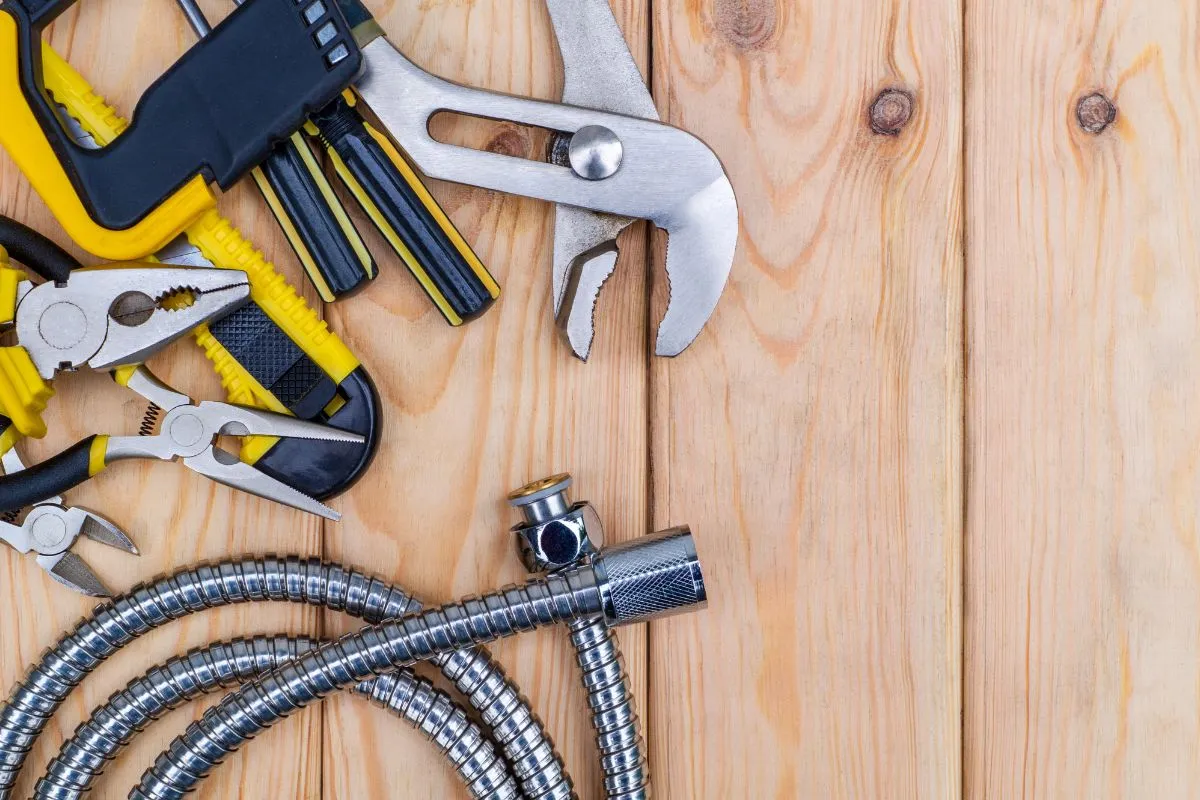
Homeowners should keep a plunger, pipe wrench, and adjustable pliers handy for basic plumbing issues. A flashlight aids in inspecting dark areas. For more complex problems, consider using a moisture meter or thermal camera to detect hidden leaks. These tools help identify issues early, saving money and preventing extensive damage.
Essential tools for homeowners
Every homeowner needs a plunger, a pipe wrench, and a plumber’s tape for basic plumbing maintenance. These essential tools handle clogs, tighten joints, and seal leaks effectively. Keep a bucket and a flashlight handy for thorough inspection of plumbing problems.
Advanced tools for professional inspection
| Tool | Description |
|---|---|
| Video Pipe Inspection Camera | Detects clogs and breaks inside pipes. |
| Acoustic Leak Detector | Identifies leaks by sound waves. |
| Infrared Thermometer | Measures temperature changes to find leaks. |
Advanced tools like these help professionals pinpoint plumbing problems efficiently. Using such technology minimizes disruption and ensures accurate detection. These tools prove invaluable for maintaining your home’s plumbing health.
Steps to address plumbing issues
- Identify the source of the issue
- Turn off the water supply immediately
- Use a plunger for clogged drains
- Patch small leaks with plumber’s tape
- Tighten loose connections with a wrench
- Replace worn-out washers in faucets
Two essential steps involve diagnosing and acting quickly. Address small issues to prevent larger plumbing disasters.
DIY fixes for minor problems
Use a plunger for blocked sinks or toilets. Adjust faucet washers to stop leaks. Unclog drains with a mix of baking soda and vinegar. For persistent clogs, try specialized drain cleaning techniques. Always ensure water is off before repairs.
When to call a professional plumber
Recognizing when to call a professional plumber saves time and money. Here are signs you need expert help:
- Frequent leaks or bursts
- Persistent low water pressure
- Unpleasant sewer odors
- Recurring drain clogs
- Unusual high water bills
These issues often require specialized equipment and expert knowledge to resolve effectively.
Preventative measures to avoid future plumbing problems
Regular maintenance keeps your plumbing in top shape. Inspect pipes for leaks and corrosion monthly. Clean drains often to prevent clogs. Install water-efficient fixtures to conserve water and reduce strain on the system. Schedule annual checks with a professional plumber to catch issues early.
Regular maintenance tips
Schedule regular inspections to spot minor issues before they escalate. Clean drains monthly and check for leaks. Tighten loose fittings and inspect for corrosion. These simple steps ensure your plumbing remains efficient, highlighting the advantages of routine plumbing upkeep.
Installing water-efficient fixtures
Installing water-efficient fixtures like low-flow toilets and aerated faucets reduces water usage significantly. Choose fixtures with a WaterSense label for optimal efficiency. These upgrades not only conserve water but also lower utility bills. Replacing old fixtures with newer models can prevent leaks and other plumbing problems. Invest in these fixtures to enhance your home’s value and sustainability.
Common Questions
What causes unusual noises in pipes?
Unusual noises often result from air pockets, high water pressure, or loose fittings. Inspect pipes for any visible issues to address these sounds.
How can I tell if a sink or tub is draining slowly?
Notice water pooling or taking longer than usual to drain. This might indicate a clog or buildup in your pipes.
Why do water stains appear on walls and ceilings?
Water stains suggest leaks or moisture seeping through. Check for leaking pipes or roof issues to prevent damage.
What tools should homeowners use for plumbing inspections?
Basic tools include a flashlight, plunger, and pipe wrench. These help in identifying and addressing minor plumbing issues.
When should I call a professional plumber?
Contact a plumber if you notice persistent leaks, water damage, or lack the tools and skills for repairs. Professional help ensures proper fixes.