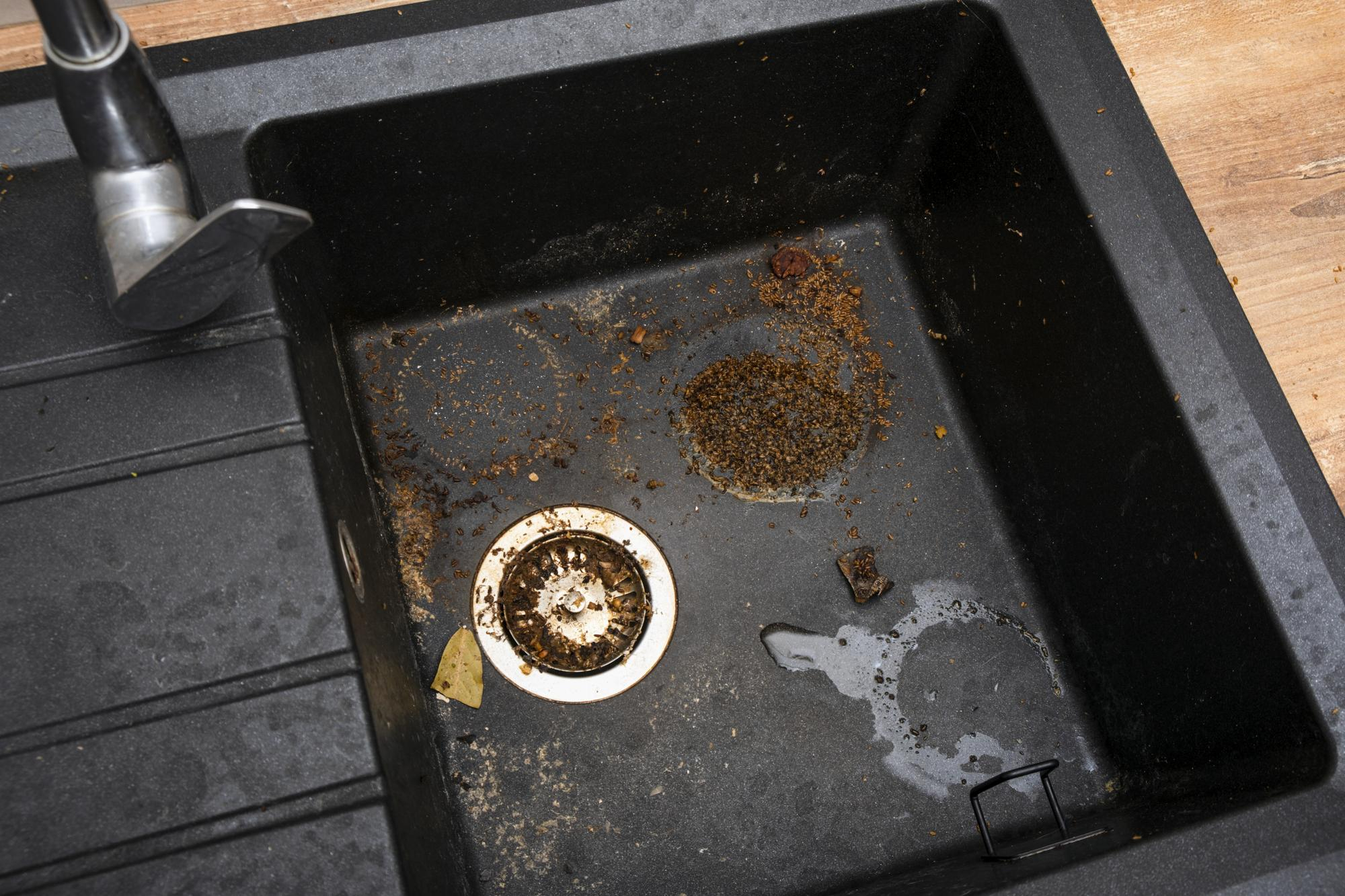
Grease in your kitchen pipes is one of the most common plumbing problems in Philadelphia. Whether it’s from cooking oils, fats, or food scraps, these substances can quickly accumulate, causing clogs and weakening your plumbing system. With the city’s humid climate and hard water, maintaining your pipes requires a bit more attention.
Sommaire
ToggleWhy grease is a major issue for kitchen pipes in Philadelphia
In Philadelphia, grease buildup in kitchen pipes is common due to hard water and humidity, leading to frequent blockages. Preventing this accumulation helps avoid expensive repairs and bad odors.
Impact of humidity and cold temperatures on grease buildup
The cold winters and high humidity in Philadelphia accelerate the solidification of grease in pipes. This combination leads to a faster accumulation of grease in your plumbing system, forming stubborn blockages. Humidity also creates the perfect environment for mold to grow, worsening plumbing issues over time.
Consequences of grease obstructions in your pipes
Grease obstructions can significantly reduce water flow in your pipes, causing slow drainage and even complete blockages. These clogs can lead to leaks, creating potential water damage to your home. Additionally, grease buildup can result in persistent odors that can make your kitchen unpleasant.
Why grease is more problematic in Philadelphia compared to other cities
Philadelphia’s unique climate makes grease a bigger problem for kitchen pipes. With hard water and frequent temperature fluctuations, grease accumulates faster and solidifies more quickly. Older homes with aging pipes are also more prone to these issues, making maintenance more important than ever.
How grease affects your pipes in the long term
The buildup of grease in your pipes isn’t something to ignore. Over time, it can lead to serious issues that can disrupt your plumbing system and lead to costly repairs.
Formation of blockages and clogs in pipes
Grease, when mixed with food debris, creates a thick, sticky substance that clings to the walls of your pipes. This leads to blockages that slow down water flow, and eventually, full blockages if left unchecked. Regular cleaning prevents these blockages from becoming major problems.
Risks of bad odors and water leaks
As grease decomposes in your pipes, it can emit foul odors that invade your kitchen. The accumulation of grease also weakens pipes, increasing the likelihood of water leaks. These issues can lead to more serious damage to your plumbing system, requiring expensive repairs.
Corrosion and deterioration of pipes due to grease buildup
Grease, when left in the pipes, interacts with other substances in the plumbing system, promoting corrosion. This weakens the pipes over time, increasing the risk of leaks and damage. Neglecting regular maintenance can lead to costly replacements of your plumbing.
Practical tips for preventing grease buildup in your pipes
Taking simple actions every day can prevent grease from accumulating in your pipes. Here are some effective preventive measures to keep your pipes clean and functional.
Never pour grease or oil down the sink
The most important rule is to never pour grease or oil down the sink or toilet. Instead, collect grease in a container and dispose of it in the trash. This simple action prevents grease from solidifying in your pipes and causing blockages.
Use kitchen filters to catch food debris and grease
Install a filter in your kitchen sink to catch food scraps and grease before they enter your pipes. These filters are inexpensive and easy to install but play an important role in keeping your pipes clear of buildup.
Pour hot water and vinegar regularly to dissolve residues
Once a month, pour hot water followed by white vinegar into your pipes. This mixture dissolves the grease and helps keep your pipes clean. Hot water melts grease, while vinegar works as a natural cleanser, preventing buildup.
Install grease separation devices (Grease Traps)
A grease trap is an effective solution to prevent grease from entering your pipes. These devices capture grease and oils before they solidify in the pipes, reducing the risk of clogs and costly repairs.
Read more : How to choose between traditional cleaning and hydrojet for your drains in Philadelphia
Effective cleaning solutions to remove grease from pipes
Even with preventive measures, deep cleaning may sometimes be needed. Here are the most effective solutions for removing grease from your pipes.
Enzyme products: an eco-friendly solution
Enzyme products are an eco-friendly option for cleaning your pipes. They naturally break down grease and other organic materials in your pipes without harming your plumbing or the environment. Regular use of these products helps prevent grease buildup and keeps your plumbing system functioning smoothly.
Manual cleaning with a snake or high-pressure cleaner
If grease has caused severe blockages, a snake or high-pressure cleaner may be necessary to dislodge the clogs. These tools allow for deep cleaning of your pipes, effectively removing stubborn grease and debris.
Calling a professional plumber for deep cleaning
If grease accumulation persists despite your efforts, it’s a good idea to call a professional plumber. An expert can conduct a thorough cleaning of your pipes, identify any plumbing issues, and provide preventive maintenance to avoid further damage.
The importance of preventive maintenance to avoid grease buildup
Regular maintenance is essential to prevent grease buildup in your pipes and ensure their long-term functionality.
Ideal frequency for cleaning your pipes
It’s recommended to clean your pipes at least once a month to maintain optimal water flow and prevent grease accumulation. Regular cleaning ensures that your plumbing system stays in good condition and free of blockages.
Other regular maintenance tips for keeping your pipes clean and functional
In addition to monthly cleaning, be sure to check and replace your kitchen filters regularly. Use natural products like vinegar and baking soda to clean your pipes gently but effectively.
Benefits of hiring a plumber for preventive maintenance
Hiring a plumber for regular inspections can help detect any potential issues before they become serious. Professional maintenance reduces the chances of leaks and expensive repairs in the future.
Preventing grease buildup in your pipes is essential for maintaining a healthy plumbing system in Philadelphia. By following these simple tips, you can reduce the risk of blockages, odors, and pipe damage, while extending the lifespan of your plumbing system. Regular cleaning and preventive maintenance will help keep your pipes clean and functional for years to come.