Philadelphia, with its cold winters, humid summers, and heavy seasonal rains, presents unique challenges for maintaining domestic drainage systems. The city’s weather conditions can directly impact the performance of your pipes, leading to blockages or significant damage if not properly addressed. Here’s how Philadelphia’s climate affects your plumbing and the solutions to protect your drains.
Sommaire
ToggleA closer look at Philadelphia’s climate
Philadelphia’s climate varies greatly throughout the year, which directly impacts the condition of your drainage systems. Understanding these fluctuations will help you better anticipate and protect your plumbing.
City’s climatic characteristics
Philadelphia has a temperate climate, but temperatures can fluctuate significantly, with very cold winters, hot and humid summers, and periods of heavy rain in spring and fall. These variations can put a strain on your drainage systems, especially due to humidity and extreme conditions.
Seasonal variations and their impact on the environment
Spring and fall often bring heavy rainfall, which can lead to localized flooding if the drainage system is not properly maintained. Winter, with sub-zero temperatures, can cause freezing of water inside pipes, creating an environment conducive to pipe cracks, while in summer, the humidity combined with heat quickly generates the buildup of grease and organic deposits in drains.
How climate affects drainage systems
Philadelphia’s extreme climate affects not only the air quality but also your pipes. Let’s take a closer look at how weather conditions influence your drainage systems.
High humidity and its effects on drains
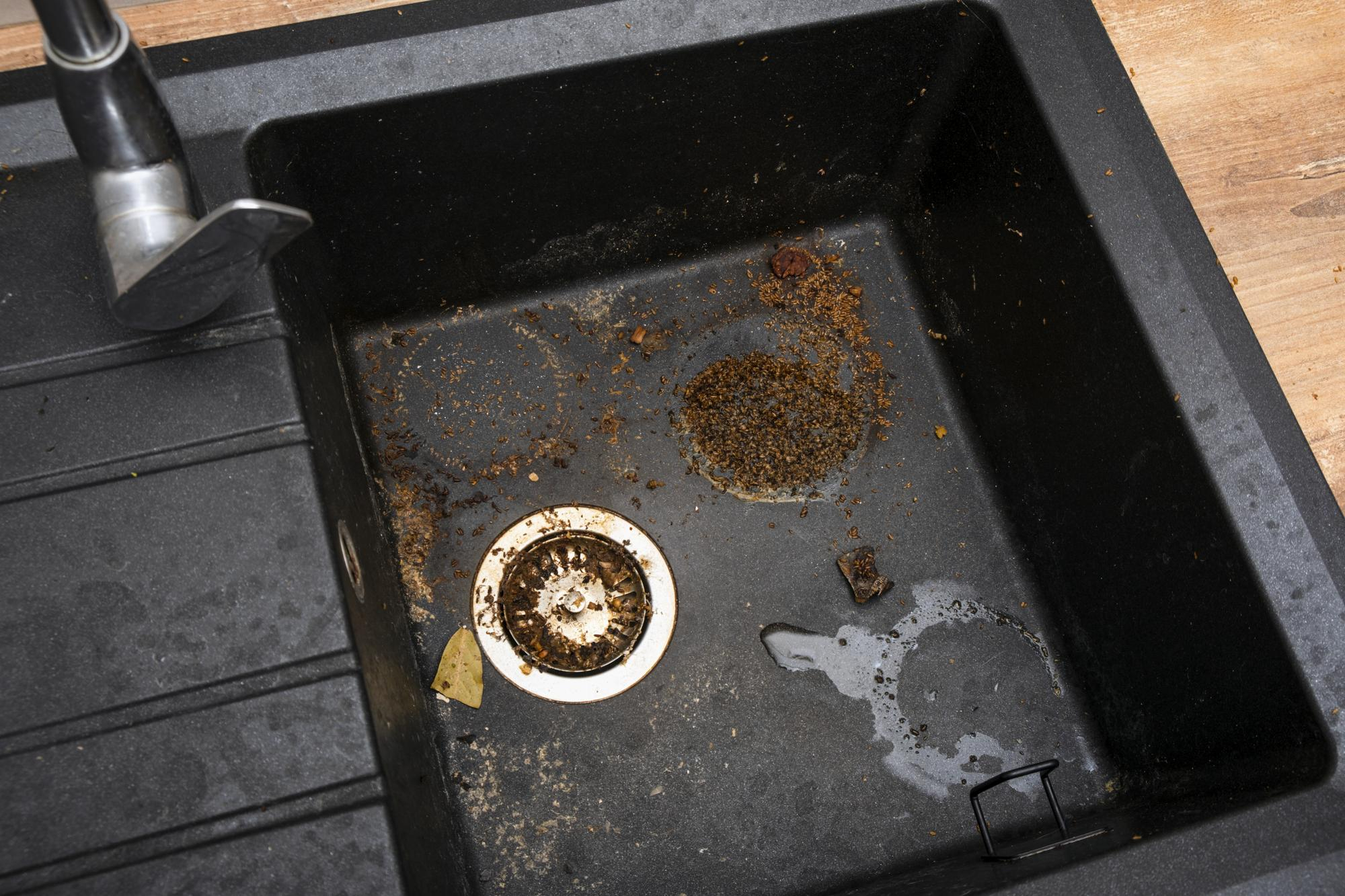
Philadelphia’s high humidity, particularly during the summer, promotes the growth of mold and bacteria inside pipes. These can stick to the walls of your drains, leading to blockages and obstructions, slowing water flow and creating the perfect conditions for bad odors to form.
Cold winters and ice formation in pipes
Sub-zero temperatures during winter can cause water to freeze inside pipes, especially in poorly insulated areas. As the water expands when freezing, it creates immense pressure on pipes, potentially causing cracks or even complete pipe ruptures, which makes the drainage system ineffective.
Heavy rains and their impact on outdoor drainage systems
Outdoor drainage systems, such as storm drains and rainwater runoff pipes, can become overwhelmed by heavy rainfall. Debris such as leaves, branches, and mud can clog drains, leading to flooding around the house and significant damage to gardens or basements.
Read more : How to choose between traditional cleaning and hydrojet for your drains in Philadelphia
Climate-related risks to domestic pipes
Climate conditions can accelerate the wear and tear on your plumbing, creating risks such as water damage and corrosion. It’s essential to understand these risks to effectively prevent them.
Accelerated pipe corrosion
High humidity and stagnant water encourage corrosion of metal pipes, particularly copper and galvanized steel. Rust forms on the inner walls of pipes, causing leaks, blockages, and a reduction in water flow. This is especially pronounced when pipes are exposed to cold temperatures or when water is not properly evacuated.
Blockages and obstructions due to debris
Heavy rains and storms can cause a significant accumulation of debris in pipes, including fallen leaves and dirt. These materials can clog the pipes, reducing water flow and creating a breeding ground for blockages. These obstructions can lead to internal damage and unpleasant odors.
Leaks and water damage due to extreme temperatures
Rapid temperature changes, especially between winter and spring, can lead to cracks and water leaks in pipes that are already weakened by corrosion. Pipes expanding and contracting with freezing and thawing temperatures may leak water, resulting in significant damage to your home.
Preventative measures to protect your domestic drainage
Taking simple precautions can help prevent most climate-related issues and extend the life of your pipes.
Insulating pipes for cold winters
One of the most effective ways to prevent cold weather damage is to insulate your pipes. Install insulation sleeves or heating tapes on outdoor pipes and those exposed to the cold to prevent freezing water inside the pipes. This will reduce the risk of cracks and pipe ruptures.
Regular maintenance of drainage systems
Regular maintenance is key to ensuring that your pipes remain functional even during extreme weather conditions. Inspect your pipes regularly to check for signs of corrosion, leaks, or cracks. Clean your drainage systems before the rainy season to ensure smooth water flow.
Solutions to improve outdoor drainage during heavy rains
To prevent flooding and water accumulation, ensure that your outdoor drainage systems are properly designed. Install rainwater collection systems that can direct water away from your home. You can also add protective grates to keep debris out of the drains.
The benefits of climate-specific drainage maintenance
Maintaining your drainage system according to Philadelphia’s specific climate conditions offers several advantages. Here are the key benefits:
- Reducing the risks of blockages and leaks: Preventive measures like pipe insulation and regular maintenance lower the risk of blockages, leaks, and corrosion.
- Extending the lifespan of your installations: Well-maintained plumbing systems resist climate variations, prolonging their life and saving you from expensive repairs.
- Optimizing the performance of the drainage system: Proper care ensures optimal performance, better water flow, and prevents obstructions, protecting your home from flooding and water damage.
When to call a professional to check your drainage system
If you notice slow water drainage, bad odors, or frequent flooding, it’s time to call a professional to inspect your pipes. Early detection can help avoid more serious issues down the line.
After a harsh winter, the risk of freezing and corrosion is higher. It’s recommended to have your drainage system professionally inspected to detect any hidden damage that could lead to leaks or obstructions. Professionals can perform video inspections of your pipes, install leak detection systems, and provide sealing solutions to ensure that your drainage system functions properly for the long term.Preventive maintenance, pipe insulation, and regular inspections are key to ensuring a reliable and efficient drainage system, even in the face of extreme weather conditions.