Your home’s drains can quickly become a problem if not properly maintained. In Philadelphia, the humid climate and specific water conditions can make kitchen drain cleaning more challenging. However, it’s easy to avoid costly hassles by knowing the common mistakes and adopting the right practices. Here are the errors to avoid to ensure your kitchen drains stay clean and functional.
Sommaire
ToggleWhy you should prioritize regular kitchen drain care in Philadelphia
Keeping your drains clean isn’t a task to overlook, especially in a city like Philadelphia where humidity and mineral deposits can affect the performance of your drainage system. By identifying common mistakes, you can avoid many headaches.
Humidity and its impact on Philadelphia’s drains
Philadelphia’s humid climate creates the perfect environment for the growth of mold and bacteria inside pipes. When drains aren’t cleaned regularly, these elements can quickly accumulate, obstructing drains and creating unpleasant odors. Regular maintenance is essential to prevent these buildups and keep the air quality in your home healthy.
Risks of frequent clogs
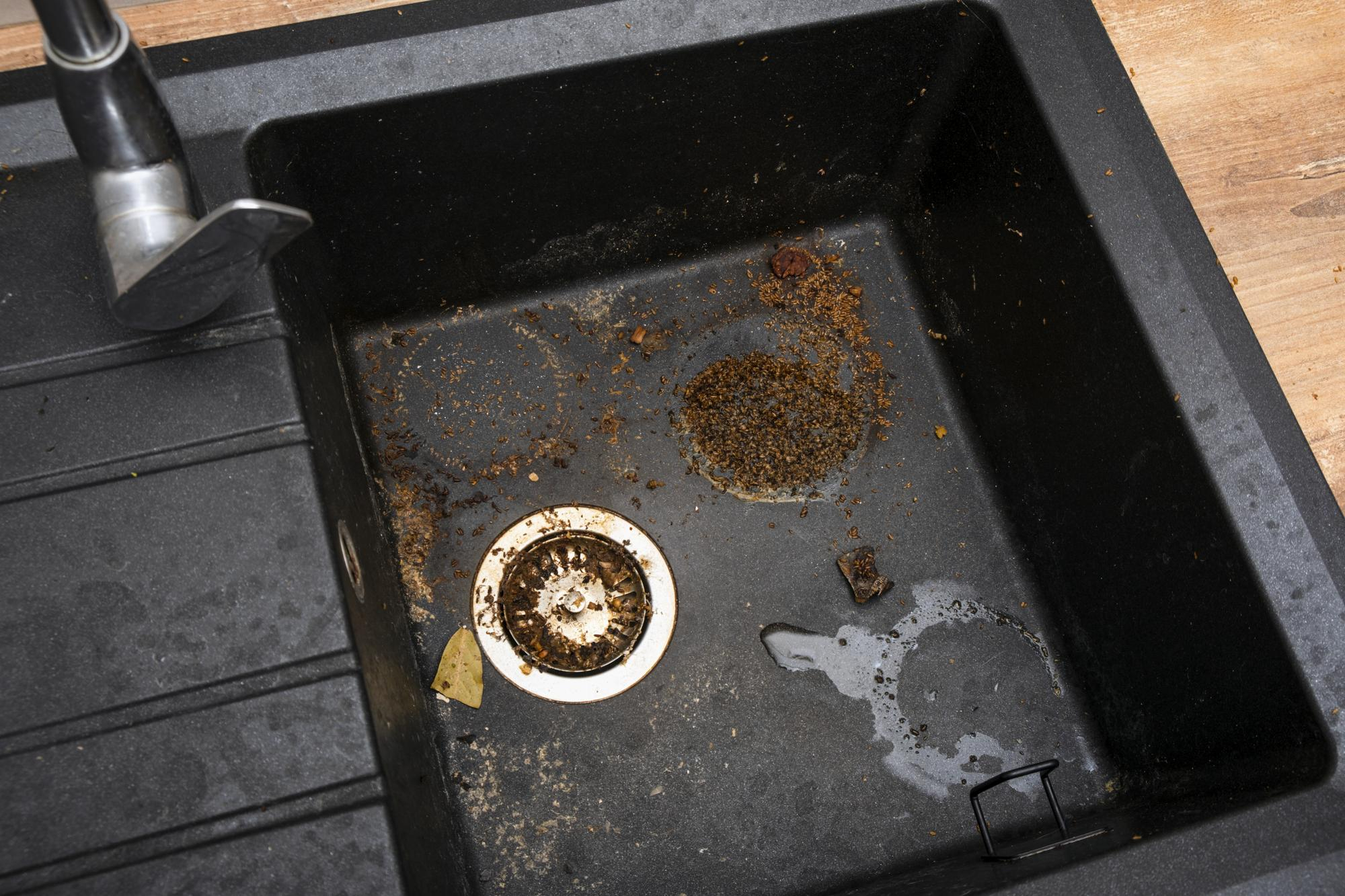
Clogs caused by food scraps, grease, and debris can disrupt water flow. These clogs can lead to the growth of mold and increase the risk of leaks. Deep cleaning is necessary to prevent these clogs from forming.
Preventing bad odors and mold growth
Dirty drains are often the source of unpleasant odors in your home. Stagnant water and grease buildup create the ideal environment for mold to thrive. Regular cleaning keeps your kitchen fresh and hygienic by eliminating these odors and preventing mold growth.
- Using harsh chemical products
Many homeowners turn to powerful chemicals to clear their drains, but these products aren’t always the best solution and can sometimes cause more harm than good.
The dangers of chemical products for pipes and the environment
Chemical products can damage pipes over time. The acids and harsh compounds in these cleaners can erode materials, leading to cracks and leaks. Additionally, these products are often harmful to the environment and can pollute wastewater systems.
Natural alternatives for safer cleaning
Natural solutions like vinegar and baking soda are just as effective at cleaning drains and deodorizing them. These non-abrasive products dissolve grease and clean your pipes without harming them or the environment. Simply mix one cup of baking soda with one cup of vinegar, pour it down the drain, and flush with hot water to remove buildup safely.
How to choose the right cleaning products
When using chemicals, it’s essential to choose mild and non-corrosive products. Opt for eco-friendly and biodegradable options to protect both your pipes and the environment. If you prefer natural solutions, vinegar and baking soda are the safest and most effective options.
- Neglecting preventative maintenance
Many homeowners wait until problems arise before cleaning their drains. However, regular maintenance is the key to avoiding costly repairs down the road.
Why regular maintenance is essential
Preventative maintenance helps avoid grease and debris buildup. Cleaning your drains regularly reduces the likelihood of blockages that can damage pipes. It also extends the lifespan of your drainage system.
Consequences of late or irregular cleaning
Irregular cleaning leads to severe clogs, leaks, and long-term damage. The accumulation of grease and debris in pipes can also lead to premature corrosion. It’s far more economical to address the problem before it escalates.
Recommended drain cleaning frequency in Philadelphia
In Philadelphia, it’s recommended to clean your kitchen drains at least once a year. If you live in an older home or have a heavily used kitchen, cleaning every six months may be necessary to prevent blockages.
- Ignoring early signs of clogs
Ignoring early signs of an impending clog can lead to more significant issues. It’s important to stay vigilant and address the problem before it worsens.
How to spot signs of clogs in your drains
The first signs of a clog include slow drainage, unusual noises, or bad smells coming from the pipes. If you notice these symptoms, it’s time to act before the clog worsens. A small clog can quickly turn into a major issue if left untreated. Deep blockages are harder and more expensive to resolve. It’s always best to take action early to avoid further complications.
Tools and methods for inspecting drains
A drain snake is a manual tool ideal for treating light clogs. For deeper inspections, using a video inspection can help pinpoint exactly where the obstructions are forming. These tools allow you to act before the clog becomes a major issue.
- Using inappropriate methods for deep blockages
Some methods work for surface-level clogs but can cause damage to deeper blockages. These methods should be used with care to avoid further damage to your plumbing system.
The role of motorized drain cleaners and hydro-jetting
For deeper or more stubborn clogs, a motorized drain cleaner or hydro-jetting system may be required. These tools send a rotating rod or high-pressure water through the pipes to clear even the toughest blockages.
Why a plunger doesn’t always work for deep clogs
A plunger is perfect for surface blockages, but when it comes to deep, stubborn clogs, you need something more powerful. A motorized tool or hydro-jetting can effectively address deeper obstructions without damaging your pipes. If you’re facing recurring or deep blockages that you can’t clear, it’s time to call a professional. A video inspection or deep cleaning might be necessary to prevent further issues.
- Underestimating the importance of deep cleaning
Some homeowners settle for superficial cleaning, but to avoid serious problems, deep cleaning is sometimes necessary.
A superficial cleaning won’t remove all the grease and debris that have built up inside the pipes. For your pipes to be truly clear, a thorough deep cleaning is required. Video inspections allow you to see inside the pipes and identify hidden accumulations. This ensures the cleaning is thorough and no problem is left unchecked. Professionals use advanced tools like hydro-jetting and video inspections to thoroughly clean your pipes, ensuring long-term results and preventing future clogs.
- Neglecting outdoor drains
Outdoor drains are often forgotten but play a crucial role in preventing flooding and water damage. These drains are just as prone to clogs as indoor ones. If neglected, they can cause water to back up, flooding your yard or even entering your home.
Risks of clogs in outdoor drains
Outdoor drains, exposed to leaves and debris, can quickly become clogged. During fall, leaves and twigs accumulate, while dirt and other debris also contribute to blockages. Without regular maintenance, these clogs prevent water from draining properly, leading to water overflow and possible damage to your property.
How to effectively clean and maintain outdoor drains
Use a high-pressure washer to clear out any debris and flush the drains with water to keep them clean. Make sure to remove visible debris like leaves and dirt that can block the flow. An annual inspection is recommended to ensure there are no hidden issues or developing clogs. After fall and winter, check outdoor drains to ensure they are clear of leaves and debris. This helps prevent blockages that could affect the flow of rainwater.
Avoiding these common mistakes will help you keep your kitchen drains in Philadelphia functioning properly, reducing the likelihood of costly repairs and long-term damage. Regular maintenance, the right tools, and timely action are key to maintaining a fully operational plumbing system in your home.