Is your morning shower turning into a footbath? Are you tired of slow-draining sinks in your Philadelphia home? Clogged bathroom drains are a common headache, but they don’t have to be a recurring nightmare. Understanding the unique challenges of urban plumbing, especially in a city like Philadelphia, is the first step toward maintaining a free-flowing system. By adopting a few simple yet effective habits, you can keep your drains clear, saving yourself from frustration and expensive plumbing calls.
Sommaire
ToggleCommon causes of bathroom drain clogs
Knowing what typically causes blockages in your bathroom is crucial for effective prevention. It’s often a combination of everyday elements, not just one culprit, that leads to a stubborn clog.
Hair and soap scum accumulation
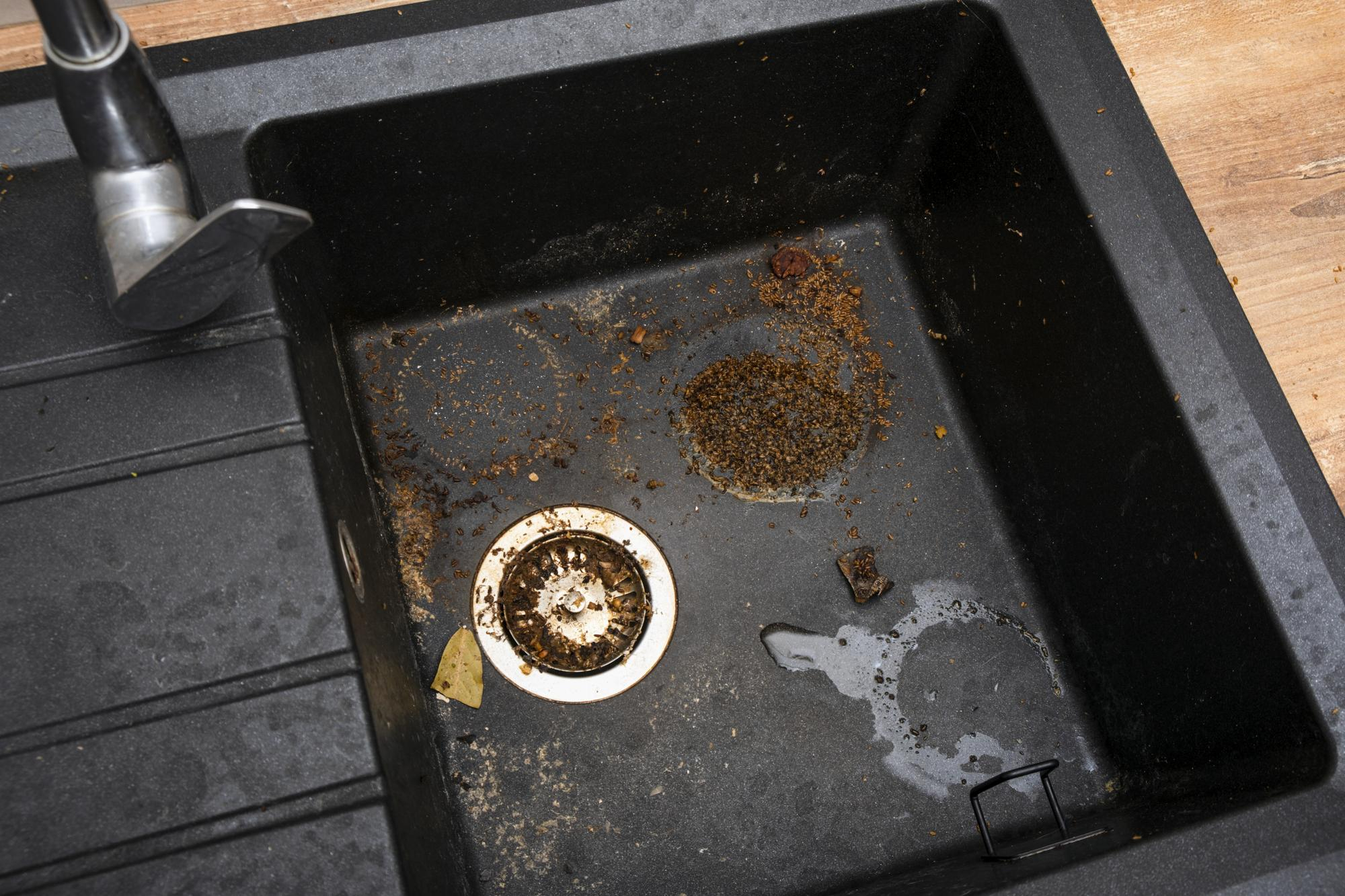
The daily routine of showering and washing leads to a common enemy: hair and soap scum. Hair, especially long strands, easily gets tangled in drainpipes. When combined with soap scum, which is the residue left behind by soap reacting with minerals in water, it forms a sticky, almost concrete-like mass. This concoction adheres to pipe walls, gradually narrowing the passage for water. In Philadelphia, depending on your specific water source, you might encounter varying levels of water hardness, which can influence how quickly soap scum builds up.
Grease and oil (from skincare products, etc.)
While you might associate grease with kitchen drains, it’s a surprising contributor to bathroom clogs as well. Many skincare products, lotions, and even some shampoos contain oils and fats. When these wash down the drain, they cool and solidify, clinging to the inside of your pipes. Over time, these greasy deposits catch hair and other debris, accelerating the formation of a significant blockage.
Foreign objects
Sometimes, clogs are caused by objects that simply don’t belong in the drain. These can be accidental drops, such as jewelry or small toys, that slip into the sink. More often, they are hygiene products improperly disposed of. Items like cotton swabs, dental floss, and wet wipes are common offenders. Despite what some product labels might claim, these materials do not break down in water like toilet paper and will inevitably contribute to blockages, especially in the narrow pipes of bathroom drains.
Read more : When to clean your air conditioning drains in Philadelphia for better performance
Essential tools for drain maintenance
You don’t need to be a plumbing expert to tackle minor drain issues or prevent them from happening. Having the right tools on hand empowers you to address problems proactively.
Drain screens/hair catchers
One of the simplest yet most effective preventative measures is using drain screens or hair catchers. These inexpensive devices sit in your sink or shower drain, acting as a filter. They catch hair, soap particles, and other debris before these elements can enter your pipes. You can find a variety of styles and materials at most hardware stores or even local supermarkets in Philadelphia. Simply empty them after each use to keep them effective.
Plungers
A good plunger is an indispensable tool for any homeowner. For bathroom sinks and tubs, a cup-style plunger is usually sufficient. To use it effectively, ensure there’s enough water in the fixture to cover the rubber cup. Create a tight seal over the drain, then firmly push down and pull up several times. The suction and pressure can dislodge many common clogs. Remember, avoid using a toilet plunger for sinks or tubs to maintain hygiene.
Drain snakes (hand-held)
For clogs beyond the reach of a plunger, a hand-held drain snake, also known as a auger, can be very useful. These flexible devices, typically a long, coiled wire with a handle, allow you to manually clear blockages deeper in the pipe. Carefully insert the snake into the drain, turning the handle as you push to navigate bends. When you feel resistance, rotate the snake to hook onto the clog and pull it out. Always exercise caution to avoid damaging your pipes, and know when the problem is too complex for this tool.
Proactive prevention strategies
Beyond having the right tools, establishing smart habits in your bathroom routine will significantly reduce your risk of clogs. Consistency is key when it comes to drain health.
Regular flushing with hot water
Make it a habit to regularly flush your drains with hot water. After showering or washing your face, let the hot water run for a minute or two. This helps to melt away any lingering grease or oil residues from soaps and products before they have a chance to solidify and build up. This simple action can prevent minor accumulations from becoming major blockages.
Baking soda and vinegar treatment
A natural and remarkably effective method for drain maintenance is a baking soda and vinegar treatment. This non-toxic solution can break down light clogs and freshen your drains. First, pour about half a cup of baking soda down the drain. Follow this with half a cup of white vinegar. You’ll hear a fizzing sound as the two react. Let this mixture sit for at least 30 minutes, or even overnight for tougher clogs. Finally, flush the drain with a kettle of hot water. This creates a powerful, yet gentle, cleaning action that’s much safer for your pipes than harsh chemicals.
Proper disposal of hair and debris
This might seem obvious, but consistently disposing of hair and debris properly is a game-changer. Never let hair wash directly down the drain; always gather it from the shower or sink and place it in a trash can. The same goes for cotton swabs, dental floss, and any other non-biodegradable items. Your trash can is the appropriate place for these, not your plumbing system.
Avoiding harsh chemical drain cleaners
While chemical drain cleaners promise quick fixes, they can actually cause more harm than good. These products often contain corrosive chemicals that can damage your pipes, especially older ones common in Philadelphia homes. They can also harden certain types of clogs, making them even more difficult for a professional plumber to remove later. Furthermore, these chemicals are harmful to the environment. Opt for the natural methods or call a professional when facing a stubborn clog.
When to call a professional plumber in Philadelphia
Despite your best preventative efforts, some clogs are simply beyond DIY solutions. Knowing when to call in an expert can save you time, stress, and potential damage to your home.
Persistent or recurring clogs
If you find yourself frequently battling the same persistent or recurring clogs in your bathroom, it’s a strong indicator of a deeper issue. A clog that keeps coming back after you’ve tried all the home remedies suggests a more significant obstruction further down the pipe, or even a structural problem with your plumbing. Don’t let it fester; a professional assessment is needed.
Multiple slow drains
When you notice multiple slow drains throughout your house, not just in one bathroom, it often points to a main line clog. This is a serious plumbing issue that requires immediate attention from a qualified plumber. A main line blockage can lead to widespread backups, including sewage, which poses a significant health hazard.
Foul odors from drains
Unpleasant, foul odors emanating from your drains can be more than just a nuisance. These smells, especially a sewage-like odor, can indicate a problem with your sewer line or a serious blockage that is allowing sewer gases to escape into your home. This is not a problem to ignore, as sewer gases can be dangerous.
When you need to call a professional, seek out trusted Philadelphia plumbing services. Look for plumbers with good reviews, proper licensing, and insurance. Ask for upfront pricing and ensure they specialize in drain cleaning. A professional plumber has specialized tools, like powerful hydro-jetting equipment, that can clear even the most stubborn blockages without damaging your pipes. They can also diagnose underlying issues that might be contributing to your recurring clogs, offering a lasting solution.